
When planning our trip to Thailand, Myanmar and Cambodia, instead of blitzing to Bagan and outta there, we twisted and turned the route inside out (calendar, planes, fares, accommodations and buses) until we managed to squeeze two days in Mandalay.
It would have been a bit easier to get from Bangkok to Bagan via Rangoon (the former capital, also renamed by the new regime in 1989, along with the country: Burma became Myanmar, and Rangoon – Yangon, shortly thereafter dethroned by the new capital, Naypyidaw), but in my head were spinning George Orwell’s lyrics, “When I was young and had no sense / In far-off Mandalay / I lost my heart to a Burmese girl / As lovely as the day“… with the inevitable Robbie Williams soundtrack.
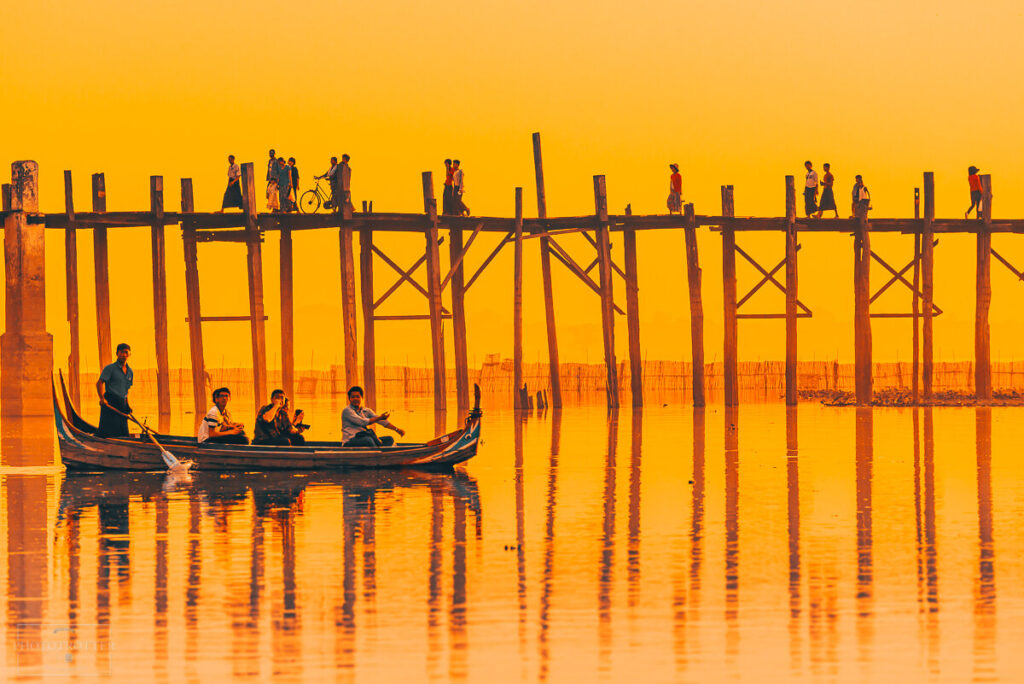
Pam-pam-pam-pa-ra-ram-pam-pam… And just like that, to silence the ear worm, we landed on a beautiful morning on a dry airfield in Mandalay, where the only coloured spots were some bougainvillea bushes (this plant will grow in the most rough places on earth, but when you bring it home, you hug it, pet it and call it George, it withers and dies).
“The Road to Mandalay” once meant the journey along the Irrawaddy River, from Rangoon (the new capital) to Mandalay (the really old capital), a 700km river trip, with steamboats. Rudyard Kipling travelled that way, when he was a young journalist, and afterwards he wrote the poem “(The Road to) Mandalay”, overwhelmed with memories of the Indian subcontinent and its charms, especially those ones wearing a skirt. (Rectification, because in that part of the world a skirt-looking garment can be ambiguous: especially the almond-coloured ladies.)
”An’ I’m learnin’ ‘ere in London what the ten-year soldier tells:
If you’ve ‘eard the East a-callin’, you won’t never ‘eed naught else.No! you won’t ‘eed nothin’ else
But them spicy garlic smells,
An’ the sunshine an’ the palm-trees an’ the tinkly temple-bells;On the road to Mandalay”.
Myanmar had been a serious pea under the mattress of our trip, back in 2015. The Internet was not abundant with information. The few travelers had come back with stories that involved a complete lack of communication in English, high prices, paid in brand-new crisp $100 bills, (which is why we had some banknotes pressed in a book like flowers in a diary, to find out that things had relaxed a bit, fortunately, and we could use the local currency, the kyat (exchange rate 1 euro:1300 kyats in 2015, and 1:1550 in 2020).
When we first visited, in 2015, and started to scour the internet for information, nobody could (would?) tell us anything: where the bus station was, how to reach it, how to buy tickets beforehand, nobody knew anything. Luckily we stumbled over a friendly and knowledgeable Burmese who should receive an honorary award from Tripadvisor for all the support activity on the forum.
After some arguments at the airport (that looked fresh from the ‘70s), in a language that can hardly be called English, we were cozily installed in a taxi (yeah, bitches) on our way to the bus station, triumphantly waving our printed, online-purchased bus tickets (can I get a hallelujah?). We felt as if we had defeated the system, as if we had pierced through the wall of Berlin.
Burma was our oyster, to misquote the Bard.
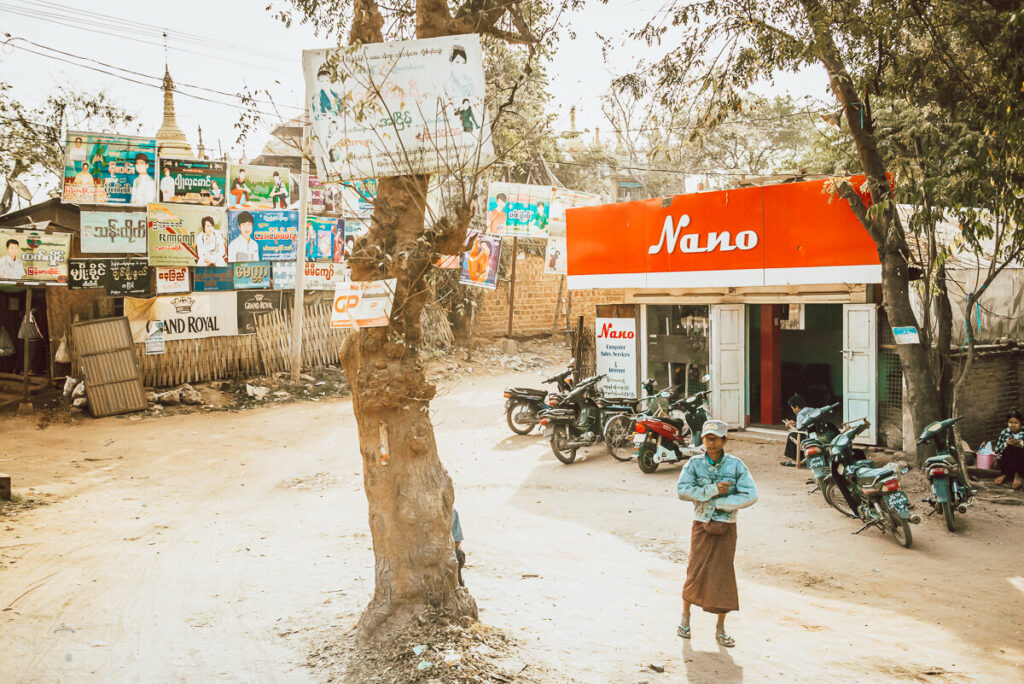
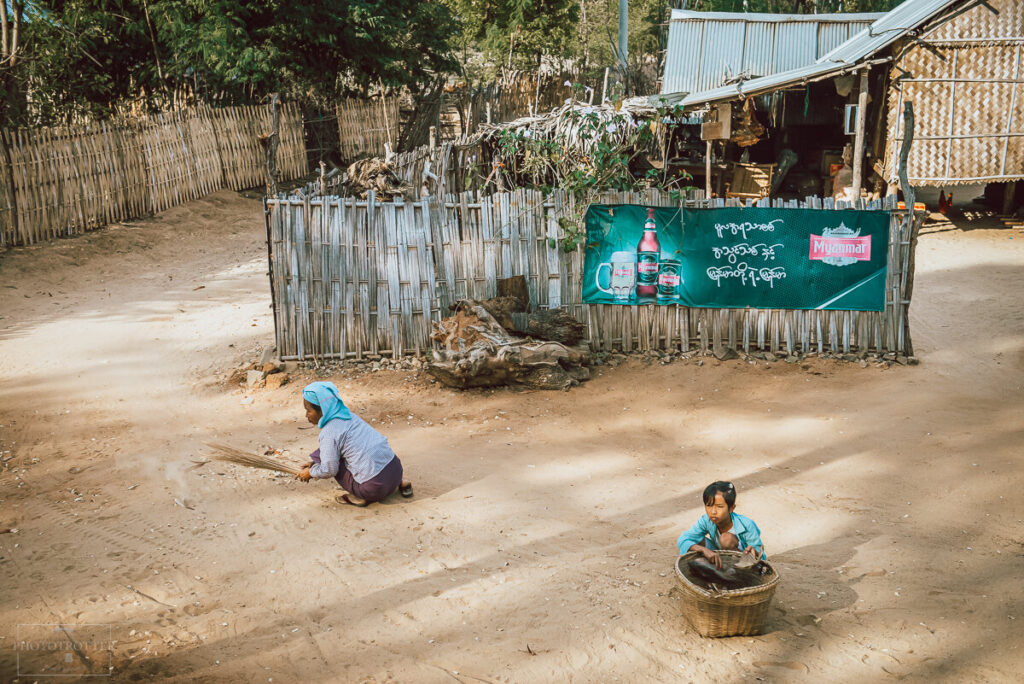
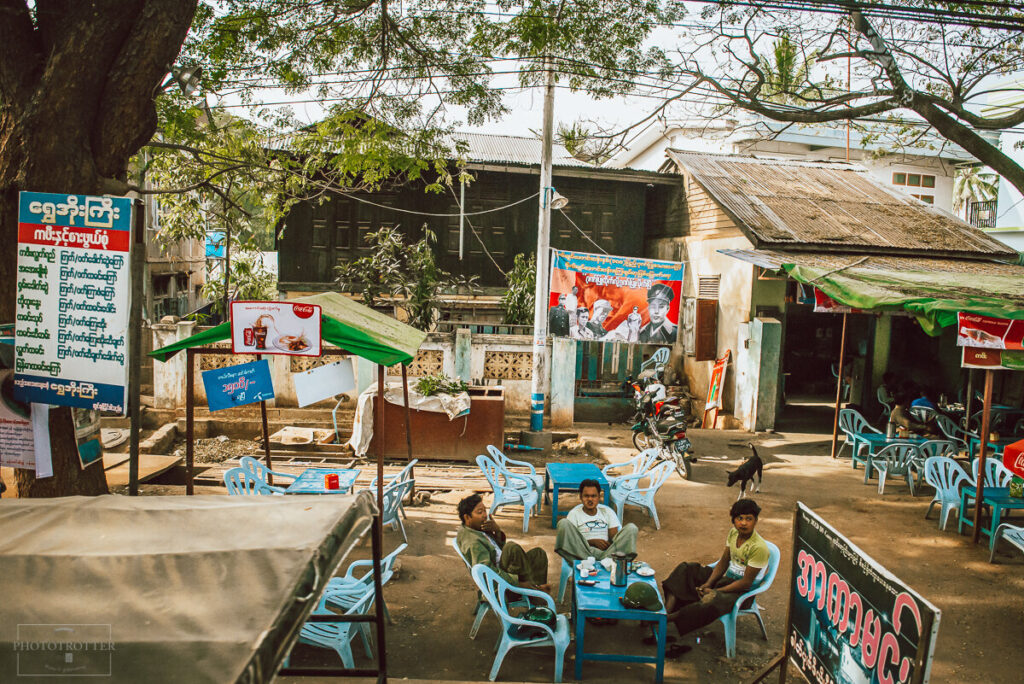
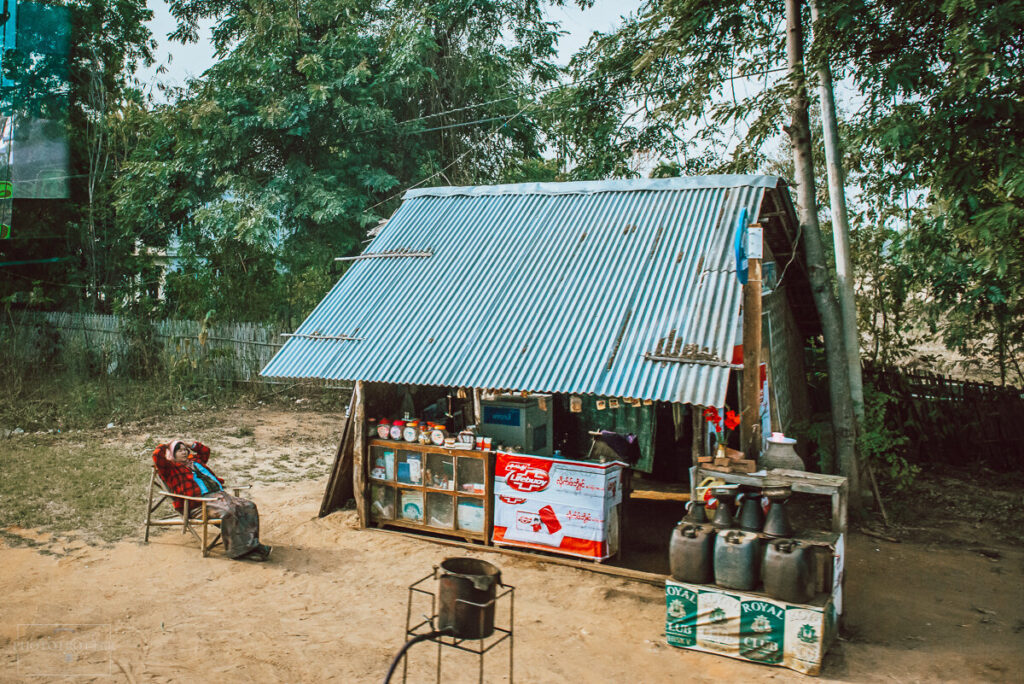
… Which dropped with a soft ‘thump’ into the dust along with our jaw, when we reached the bus station. The first impression about Mandalay hadn’t been great, a little slum here, a lot of dust there, a mess everywhere, a banner advertising the noble colours of Grand Royal whiskey, used as a roof over an improvised shack, dirty plastic chairs all over the place, booths who seem to sell anything and nothing, poverty, dirt and bougainvillea. And not just on the outskirts.
The bus station, however, went lower than our lowest expectations. A desolate stretch of land scattered with a few rows of derelict huts as terminals, while the field between them looked like the first phases in the formation of a landfill. My over vivid imagination was half expecting to see vultures gliding down and snatching a scrawny kid.
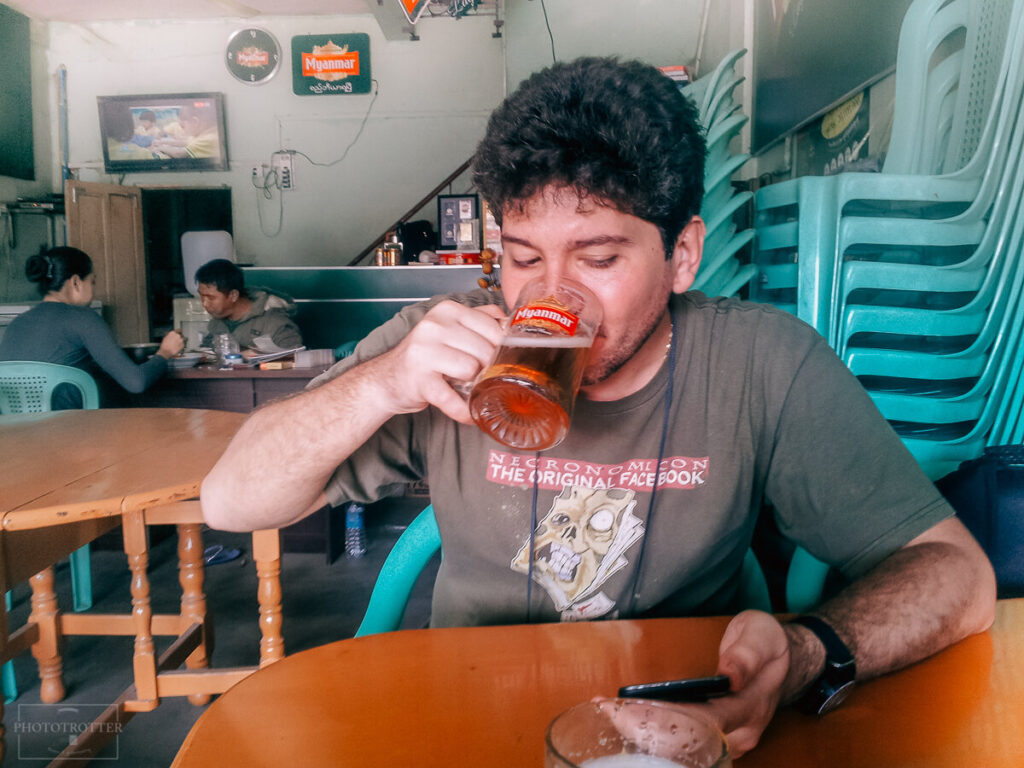
As life in general looks pink with a full belly, we went looking for a decent place to have lunch; since ‘decent’ has different degrees depending on your GPS position, we sat at the nearest hole in the wall and ordered two plates of something I could not name, but that looked like a boiled chicken dish, floating in a watery soup with steamed salad and rice. Fortunately, until it came we managed to down two cold beers (in ice-cold pints, fresh from the freezer), which made me dive directly into the plate, while Husband, after eyeballing the uncertain cleanliness of the fork, asked for chopsticks, request met with the same look you’d receive if asked for chopsticks at a McDonald’s. Surprisingly, he got some.
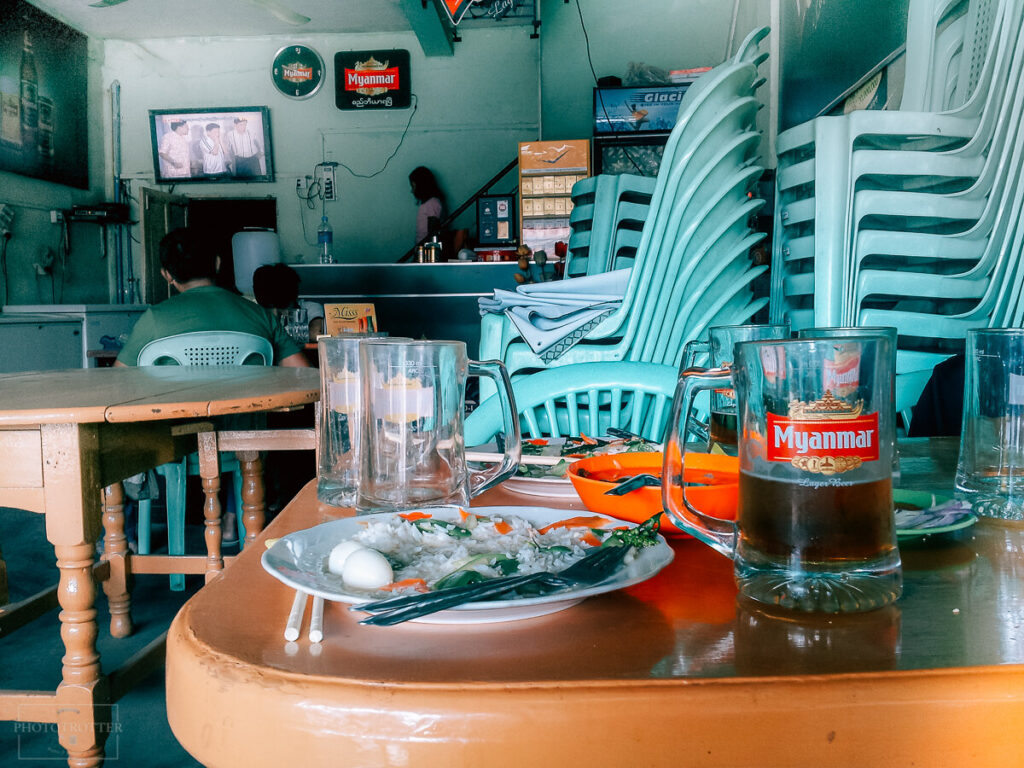
Somewhere there, behind the door in the back, was the toilet. Indoors, so thumbs up. Right next to the splashing stove in the kitchen, in a shoddy wooden cubicle, with wireless flushing system, using the plastic bowl in the bucket. Two thumbs down.
As train travel in Myanmar was not an option for tourists at the time (the trains are quite slow, the infrastructure is ancient, so the experience is shaky on all levels), we had also thought about going from Mandalay to Bagan (to Nyaung U, more precisely), by boat, to see another aspect of the country, to appreciate the old colonial transport route, to observe the local ways of life and to admire the banks of the river.
We started doubting the idea when we found out that a trip in a super express boat takes 12 hours, and in an express one, about 15. We changed our mind altogether when we saw pictures with the extremely unimpressive (and far away) banks – the river widens sometimes up to 10km, and we read how crowded and uncomfortable this means of transport can be (link, link), where comfort can mean the availability of a plastic chair on deck.
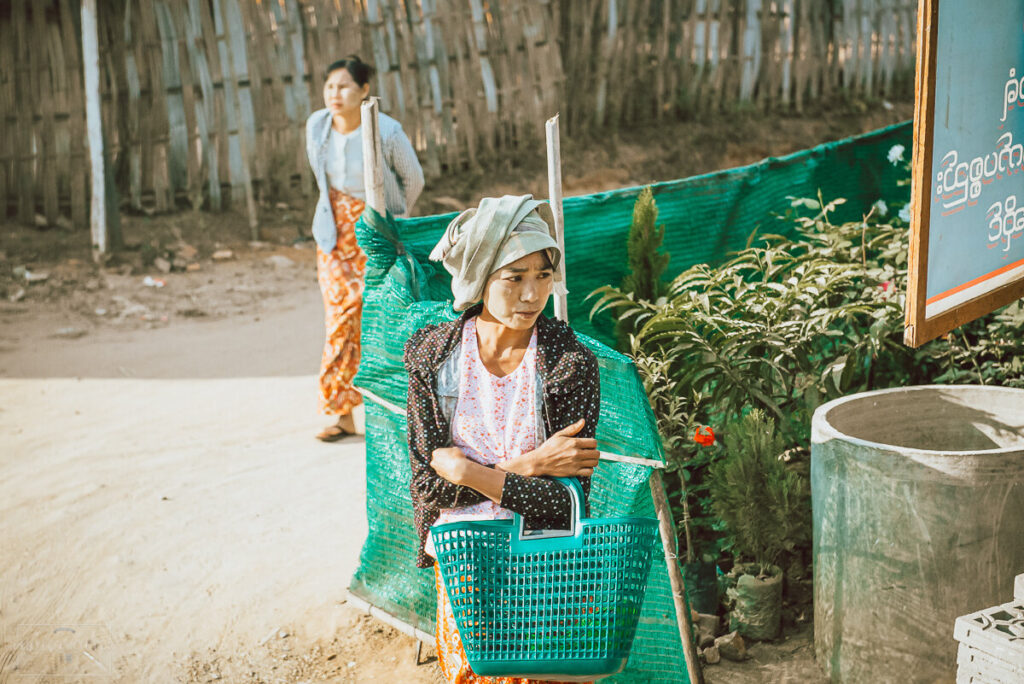
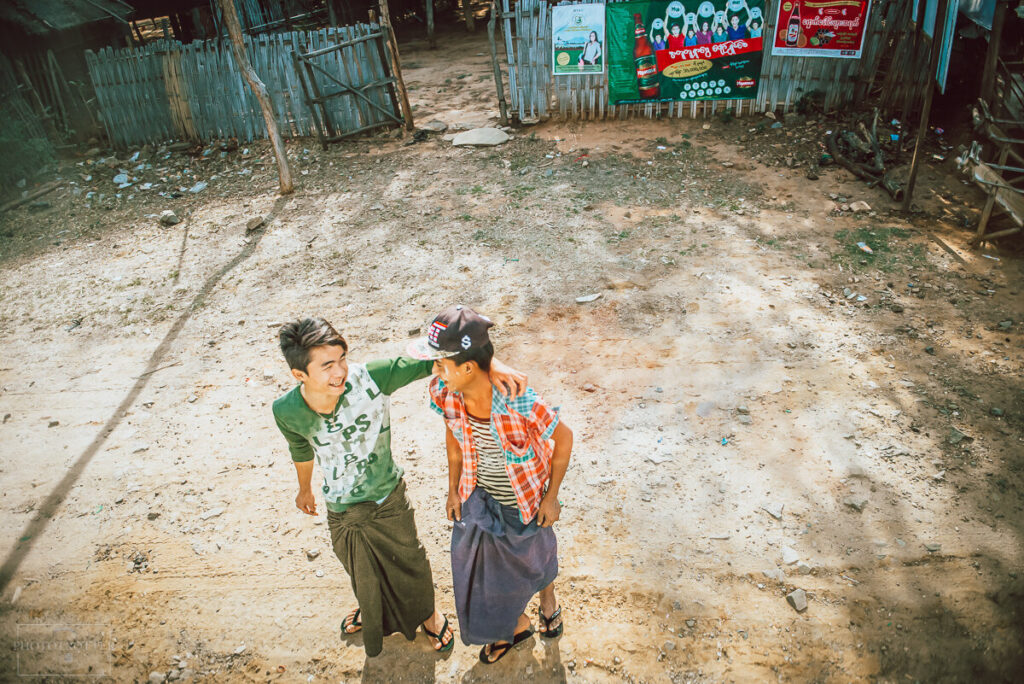
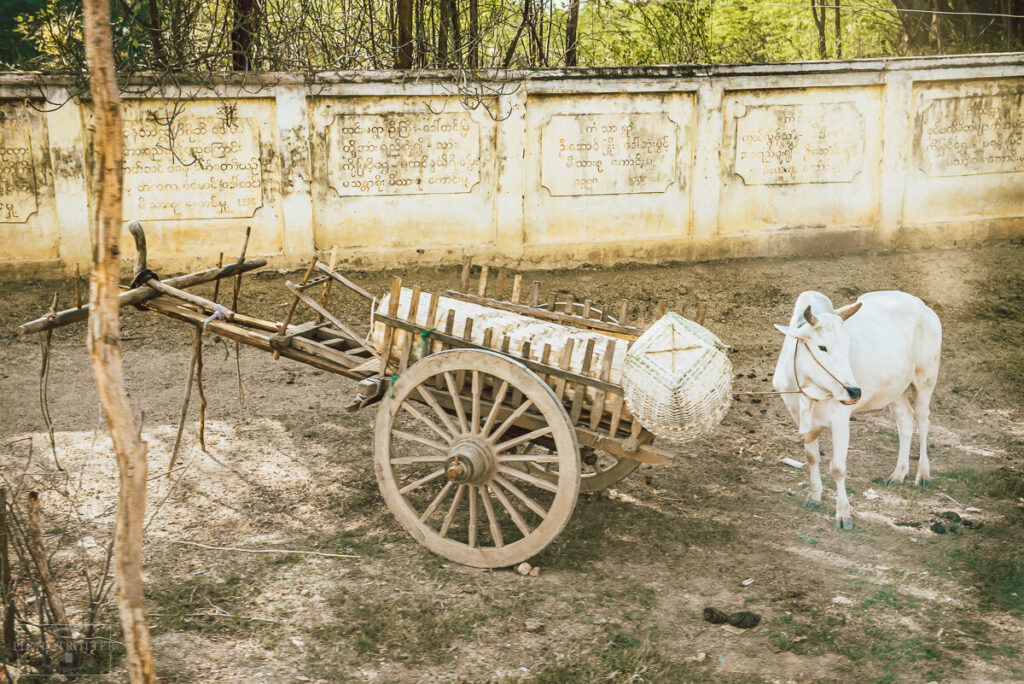
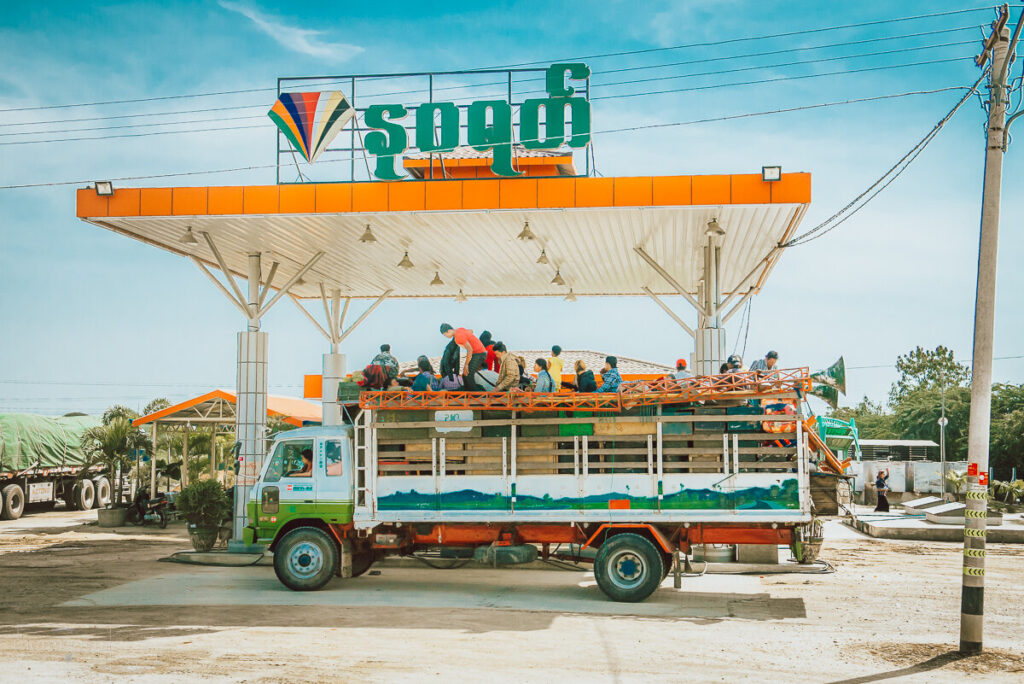
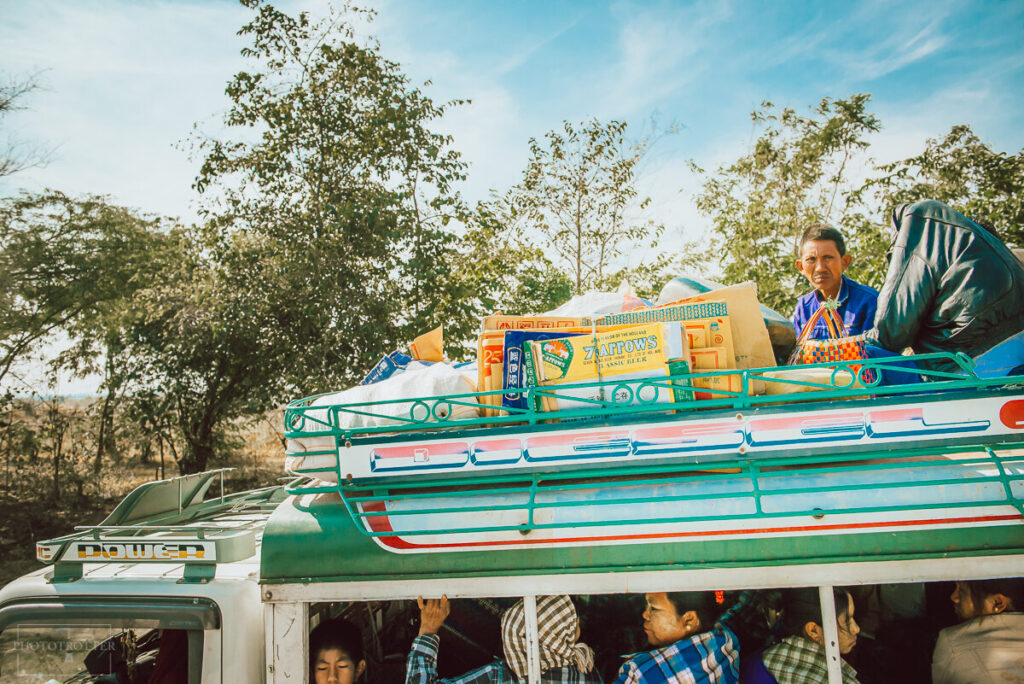
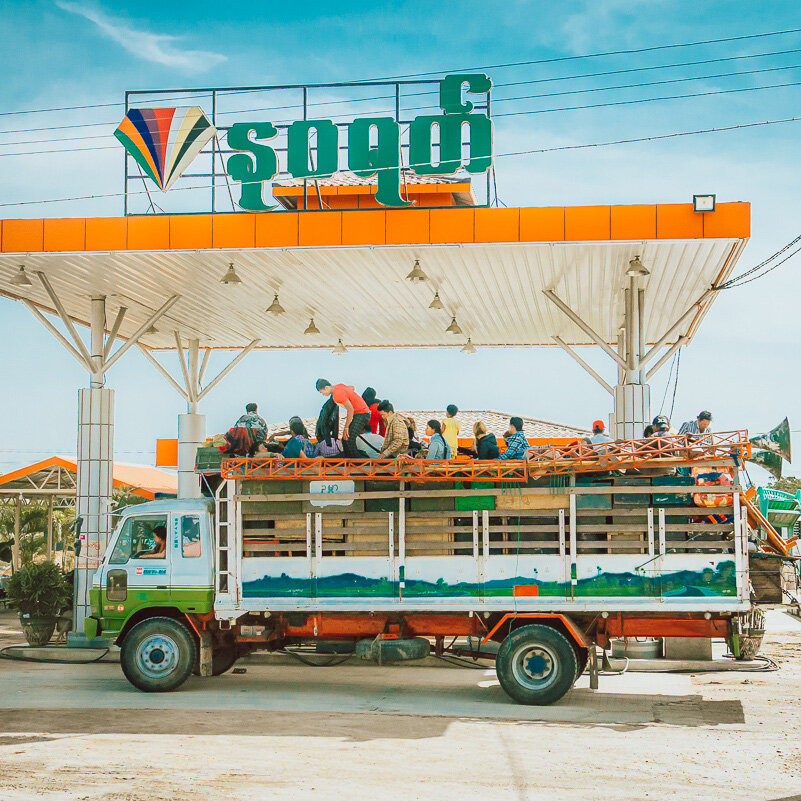
So we made the Mandalay – Bagan – Mandalay round trip on the roads, an opportunity that really gave us a complex image (albeit shaken, tormented and long) about Myanmar, about its dusty roads, about villages, locals, means of transportation, agriculture (or apparent lack thereof), civilization, roadside food, rural and urban fashion (as in any respectable Asian country, the most beloved footwear is the flip-flop; the velvet type, which is traditional and is known for being dust-resistant), and architecture, all taken in with a strong sense of loss and regret that I also experienced in Sri Lanka. The exoticism of the Indian subcontinent, the charm of ancient traditions, the material and spiritual culture, the arts and crafts, all came crumbling down under piles of plastic, cheap European-style but Asia-made clothes and so much kitsch.
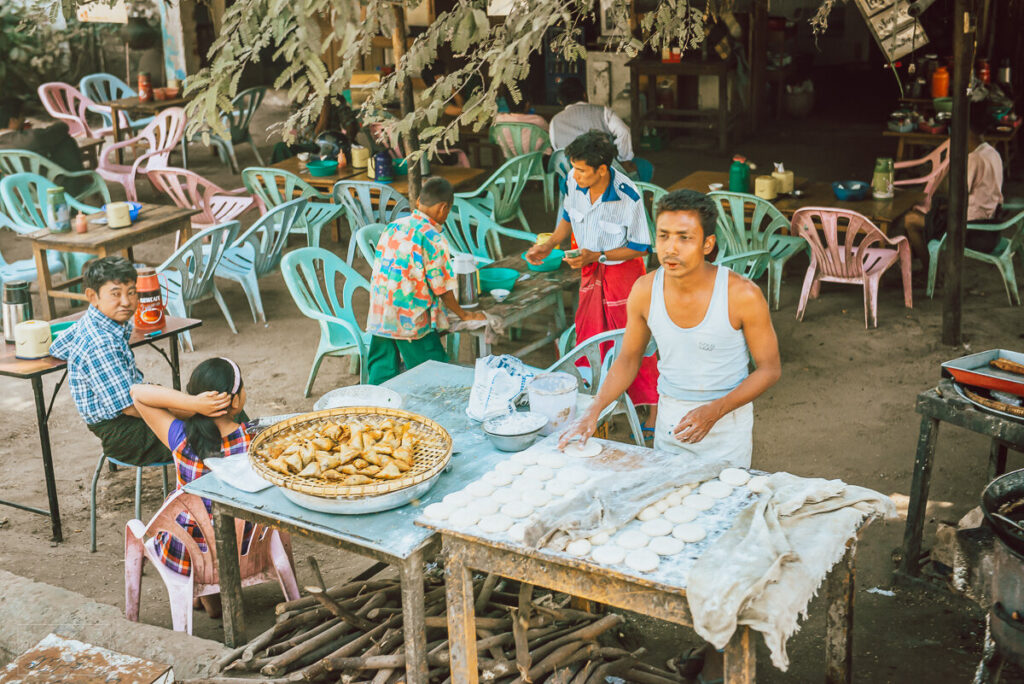
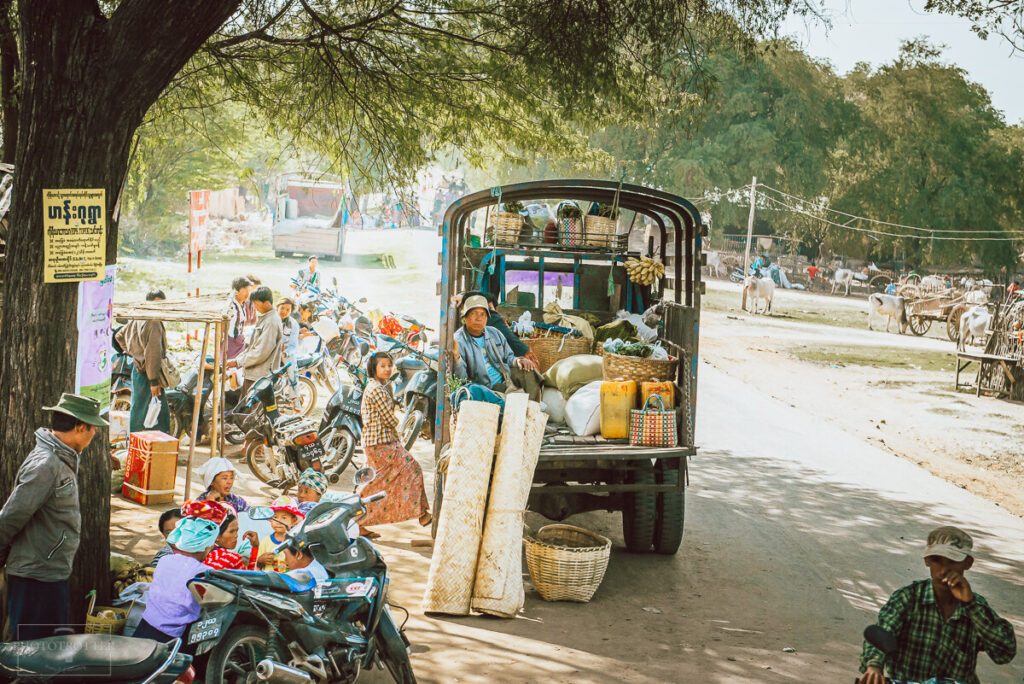
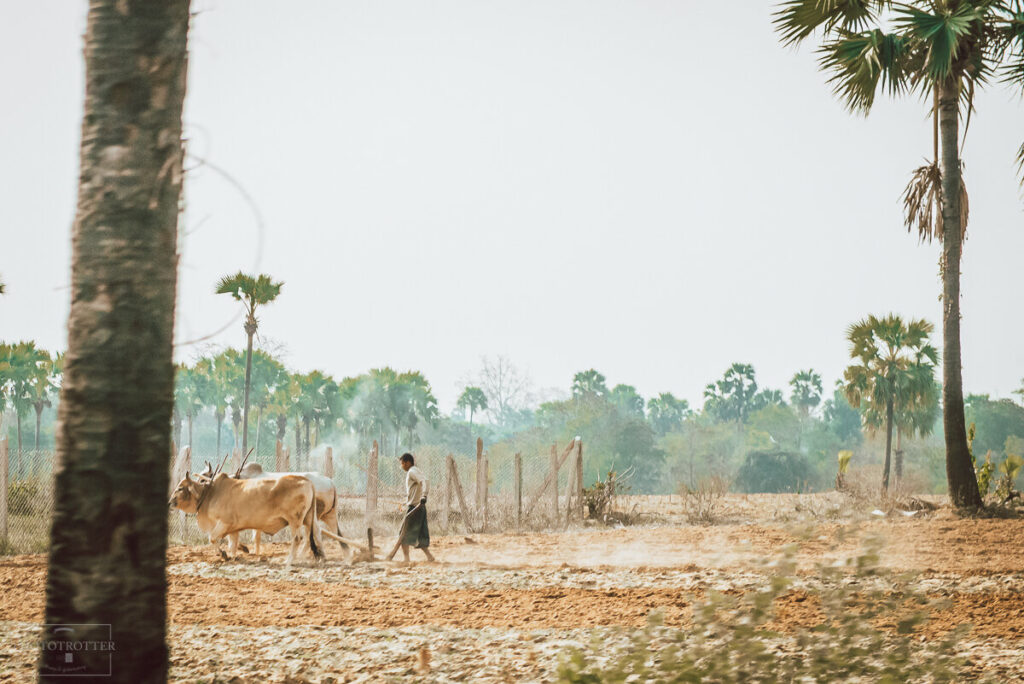
You can check out more photos in the gallery below.


Curious about Myanmar? Read more about it.







Leave a Reply