
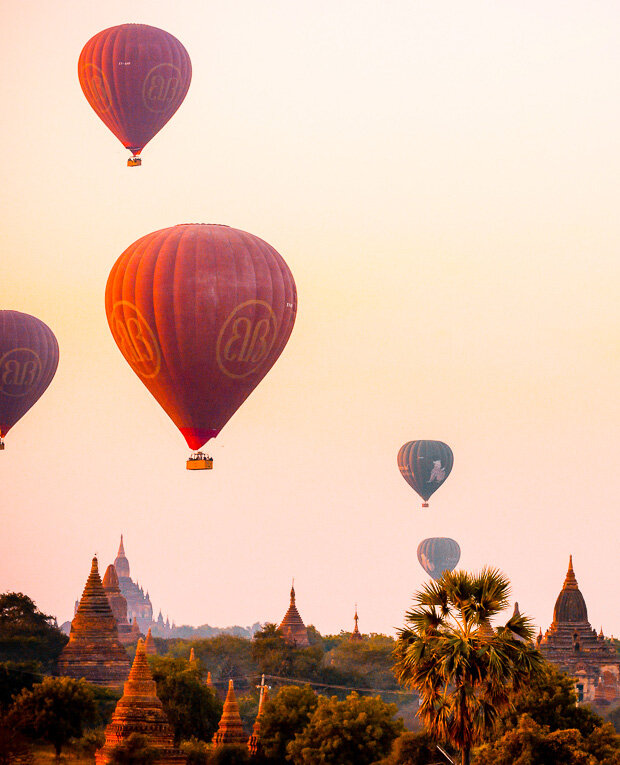
Once upon a time there was a big and strong empire. Around year 1200, the Pagan empire was flourishing on the Irrawaddian plains, slowly building up to a power that for three centuries influenced the whole history of what was to be become Burma (now Myanmar). What was left of it and of the golden age of Imperial Burma, is not the culture, nor the cosmopolitanism, or the exoticism, nor its wealth or other ephemeral values, but architecture: from over 10,000 temples, pagodas and monasteries, some 2000 remained scattered on the plain of Bagan. A ruthless millennium has passed over the great empire, but what has really cooked its goose have been the last 150 years.
Fast forward to 1922. A 19-year-old George Orwell had just enlisted in the Burmese Imperial Indian Police; After three violent wars over 60 years, the country had become a British colony and was forced to join India. Upon Orwell’s arrival, Burma had already been under British rule for decades – the administration, politics, industry, agriculture, exports, were controlled by the great Empire, which lined its pockets, complaining of the heat, climate, and characteristic slowness of the locals turned into butlers and valets, and splurging lavishly in the exotic scenery.
“The petunias were huge, like trees almost. There was no lawn, but instead a shrubbery of native trees and bushes — gold mohur trees like vast umbrellas of blood-red bloom, frangipanis with creamy, stalkless flowers, purple bougainvillea, scarlet hibiscus and the pink Chinese rose, bilious- green crotons, feathery fronds of tamarind. The clash of colours hurt one’s eyes in the glare.”
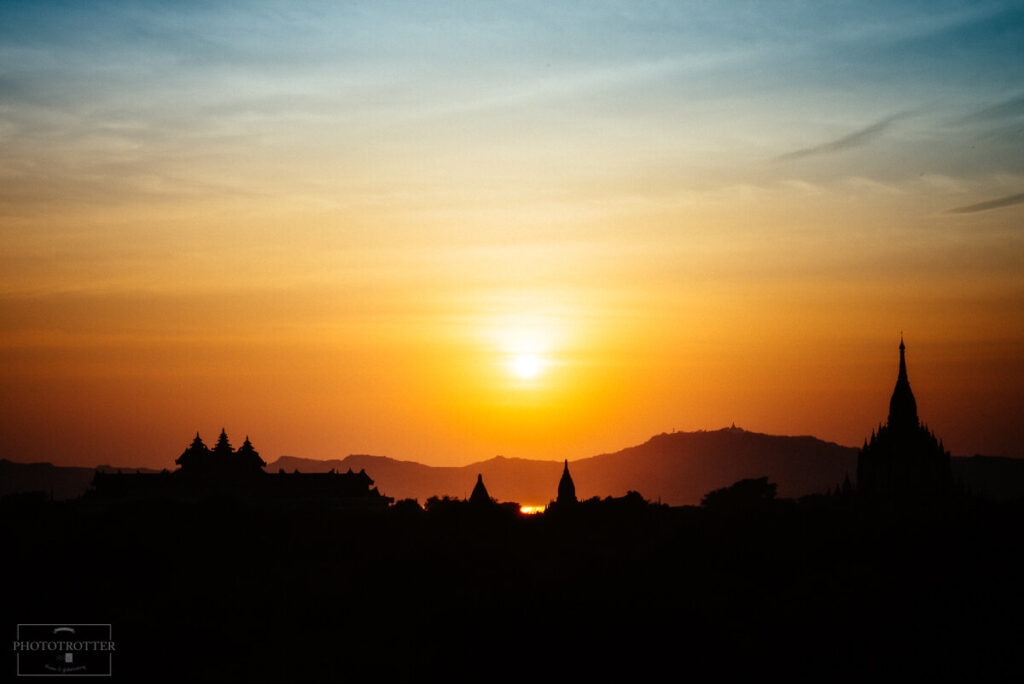
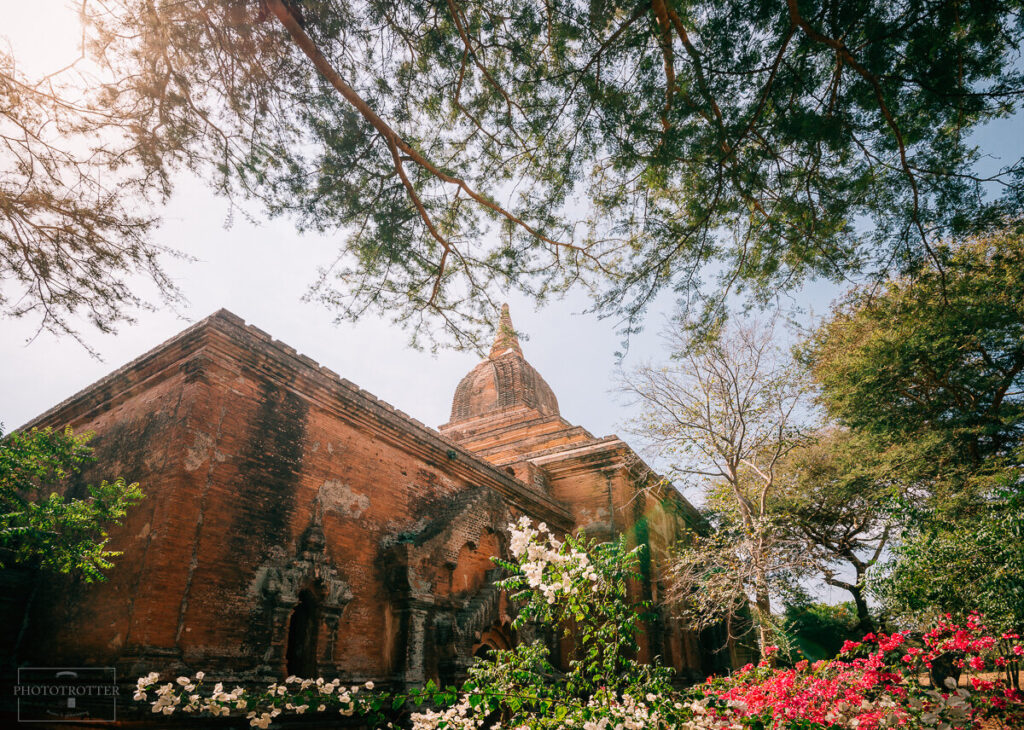
His life as an officer in Burma, where he stayed for almost five years, led to the creation of Orwell’s first novel, published in 1934, Burmese Days. The tone of the book often changes between endearment for the raw and naive beauty of the country and the people, critique of the hybrid society of local nouveau-riches, profiteers and corrupt crooks who lick the boots of the lazy, blase and racist British gentlemen; but most often Orwell’s voice rises, through his main character, Flory, against imperialism and its destructive effects on the colonies. Undoubtedly, industrialization transformed the agrarian and harvesting economies of the Asian populations, which prospered, but the money of the fabulous exports (of teak or rice, in Burma’s case) went inside the deep pockets of the British.
‘Could the Burmese trade for themselves? Can they make machinery, ships, railways, roads? They are helpless without you. What would happen to the Burmese forests if the English were not here? They would be sold immediately to the Japanese, who would gut them and ruin them. Instead of which, in your hands, actually they are improved. And while your businessmen develop the resources of our country, your officials are civilizing us, elevating us to their level, from pure public spirit. It is a magnificent record of self-sacrifice.’
‘Bosh, my dear doctor. We teach the young men to drink whisky and play football, I admit, but precious little else. Look at our schools — factories for cheap clerks. We’ve never taught a single useful manual trade to the Indians. We daren’t; frightened of the competition in industry. We’ve even crushed various industries. Where are the Indian muslins now? Back in the forties or thereabouts they were building sea-going ships in India, and manning them as well. Now you couldn’t build a seaworthy fishing boat there. In the eighteenth century the Indians cast guns that were at any rate up to the European standard. Now, after we’ve been in India a hundred and fifty years, you can’t make so much as a brass cartridge-case in the whole continent. The only Eastern races that have developed at all quickly are the independent ones. I won’t instance Japan, but take the case of Siam –’ (Flory, the main character, talking to an Indian doctor in Burma)
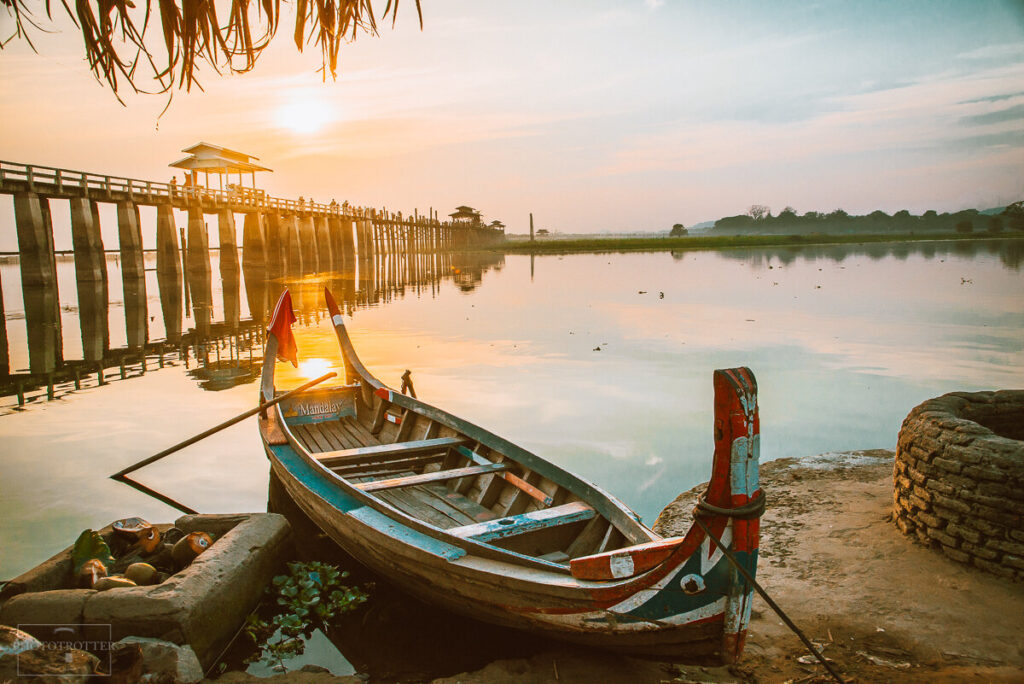
“Kyauktada was a fairly typical Upper Burma town, that had not changed greatly between the days of Marco Polo and 1910, and might have slept in the Middle Ages for a century more if it had not proved a convenient spot for a railway terminus.”
The same can be said now, almost 100 years after Orwell’s time there. The British made Burma the richest country in South East Asia, but at the cost of draining its resources. When they withdrew, in 1948, they left with the money, with the clerks and officials, leaving the system to fall into the hands of former plantation workers and wily parvenus such as the magistrate U Po Kyin in Orwell’s novel. All the migrants attracted by the apparent economic well-being, millions of Indians and Chinese, were left unemployed, along with the Burmese, and the entire social and economic system of the country collapsed.
In times of constraint, you can count on the army to put things straight. After 14 years of poorly maneuvered independence, in 1962 a coup d’etat brought instated the military dictatorship, which ended only recently. But its echoes and those of interrupted imperialism still remain, with traces deeper than the visionary Orwell might have foreseen.
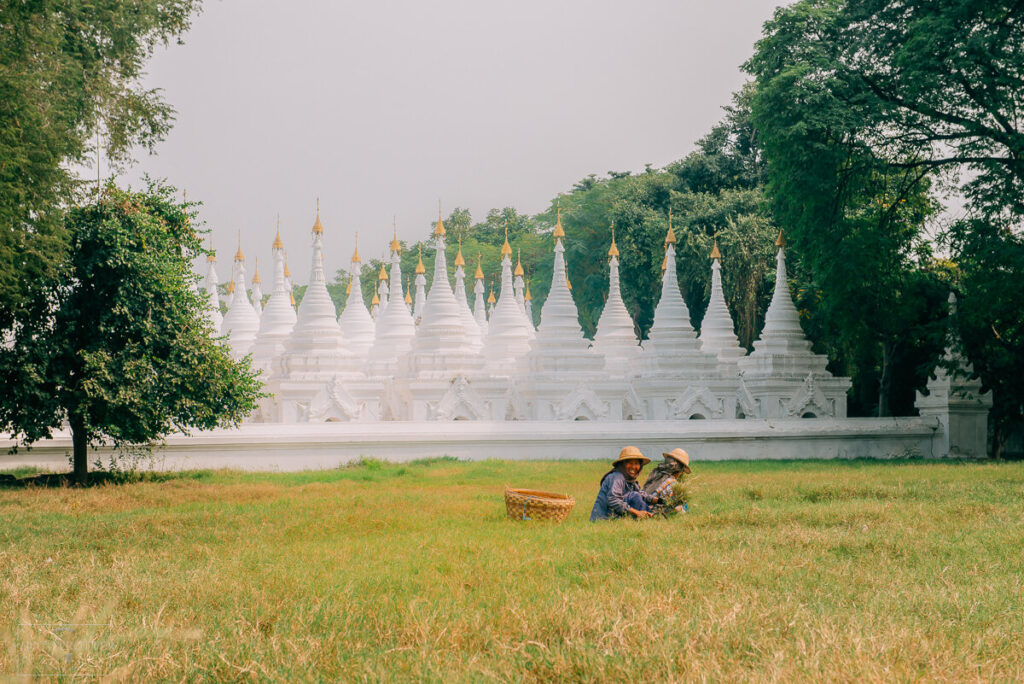
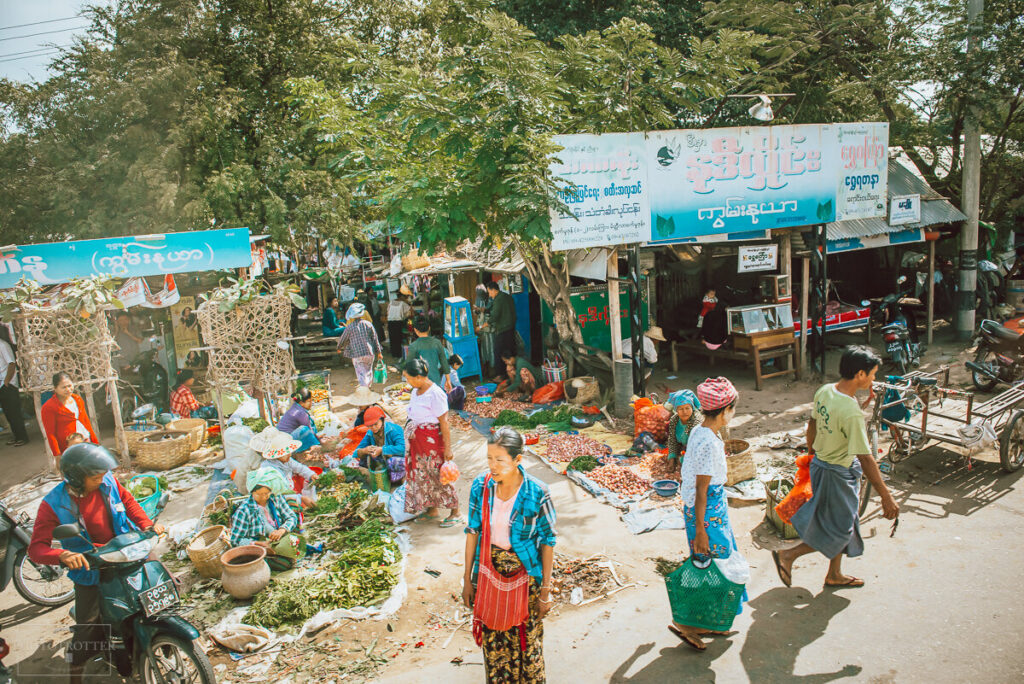
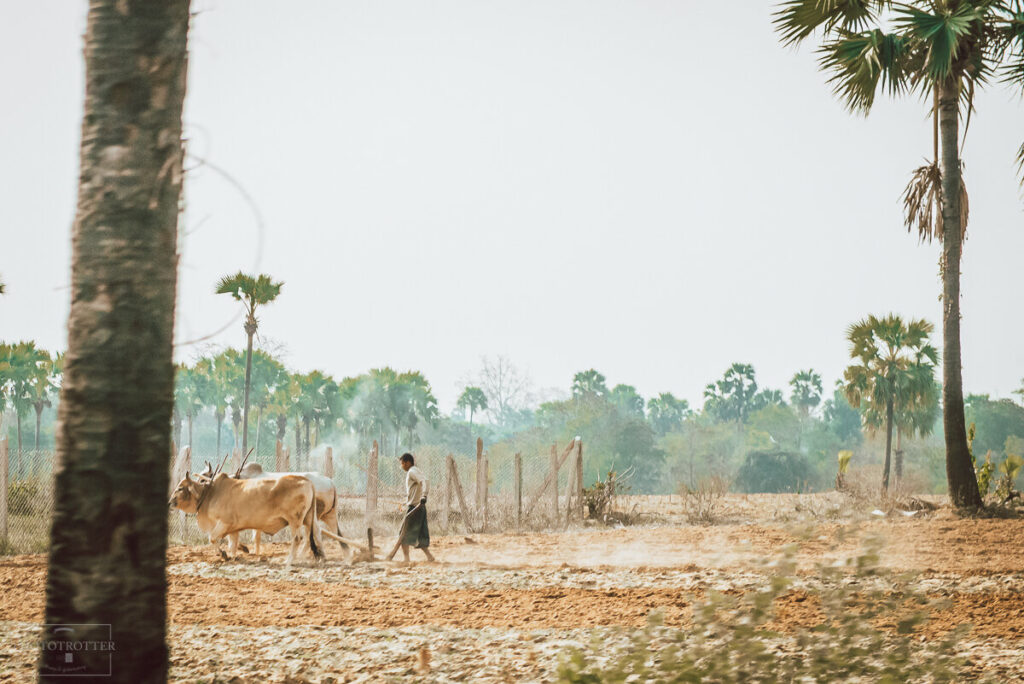
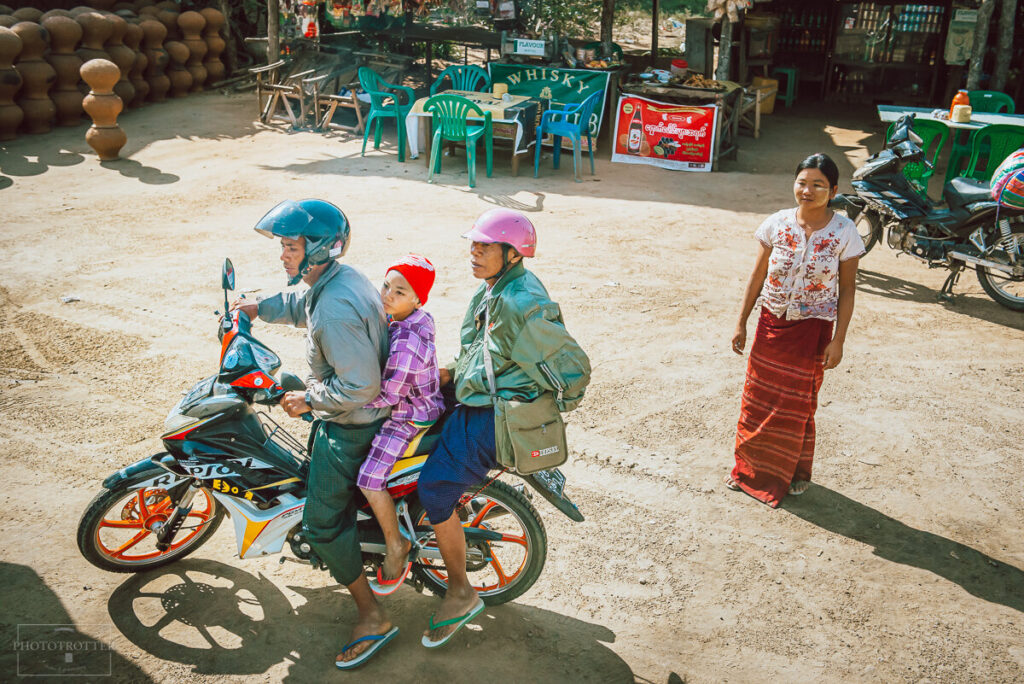
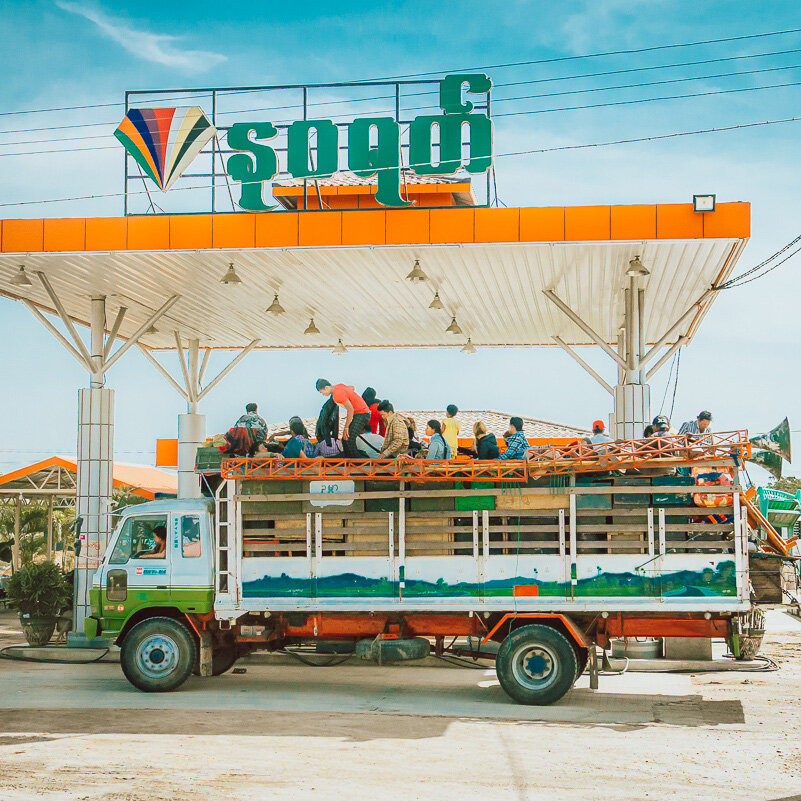
Burma, which reverted to the old name, Myanmar, in 1989, is barely groveling through the 21st century, trying to pull itself by the bootstraps directly from the 19th century. If Orwell were now on the streets of Mandalay, where he sang love songs to maidens who gave come-hither looks to the young “Ingaleik” officers, he would see little things changed – development has stagnated, instead you see more concrete, fewer traditional clothes and more Chinese cheap stuff, more soldiers, not from the imperial police, but from the Tatmadaw armed forces; scooters – everywhere, not so many automobiles. On leaving the city, towards the rural area, you can hardly tell what century this is.
The 21st century is given away only by the plastic of the Coca Cola commercials, mismatching the huts covered with dried palm leaves; slummy shacks, covered with plastic banners advertising whiskey brands (Grand Royal, enjoy life!). Next to them a humped Zebu cow spins dizzily in a never-ending circle around a millstone, torpidly grinding through the Middle Ages. Behind her, the peasant is talking on a 21st century cellphone, blaring at it as if it were a tin speaking-trumpet and listening to the other on speaker mode.
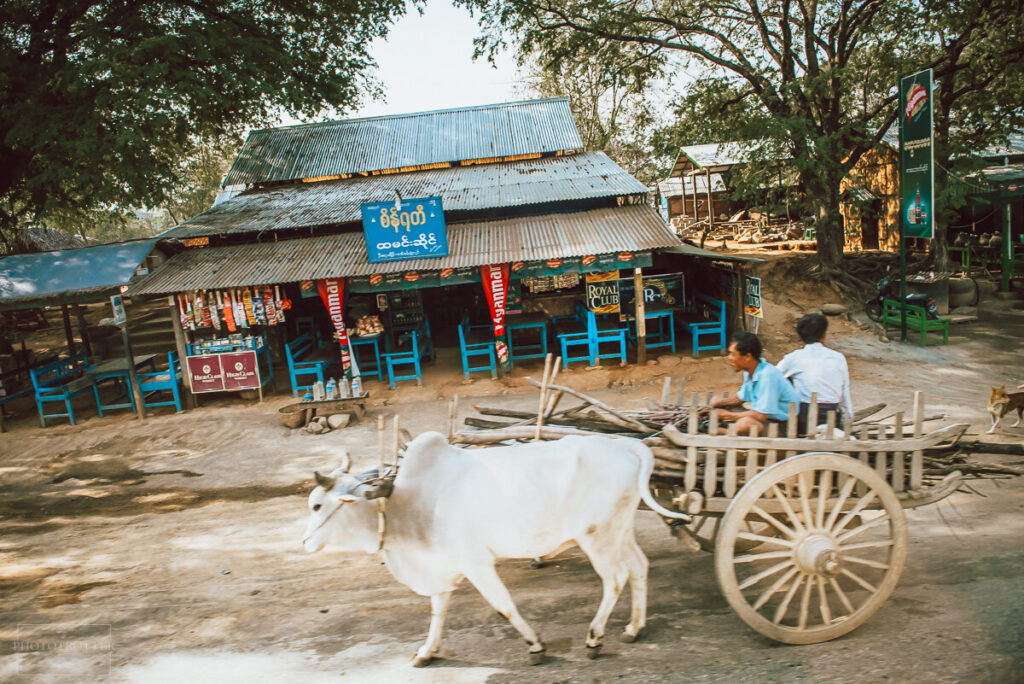
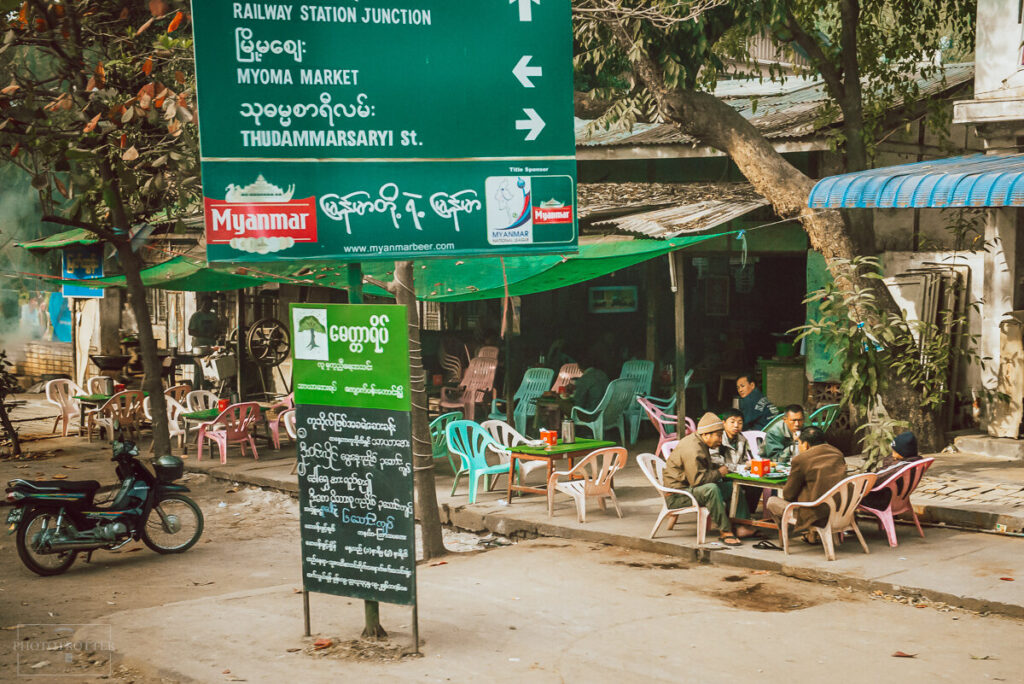
Everywhere you look, people are sitting or eating – crouched on tiny pink or sea-foam green plastic chairs, just anywhere – in the dust, on the street, under a tree or near a stream of water that emanates fetid odors. Women dressed in longyi (tube skirts, sarongs) carry huge trays of fried food on their heads.
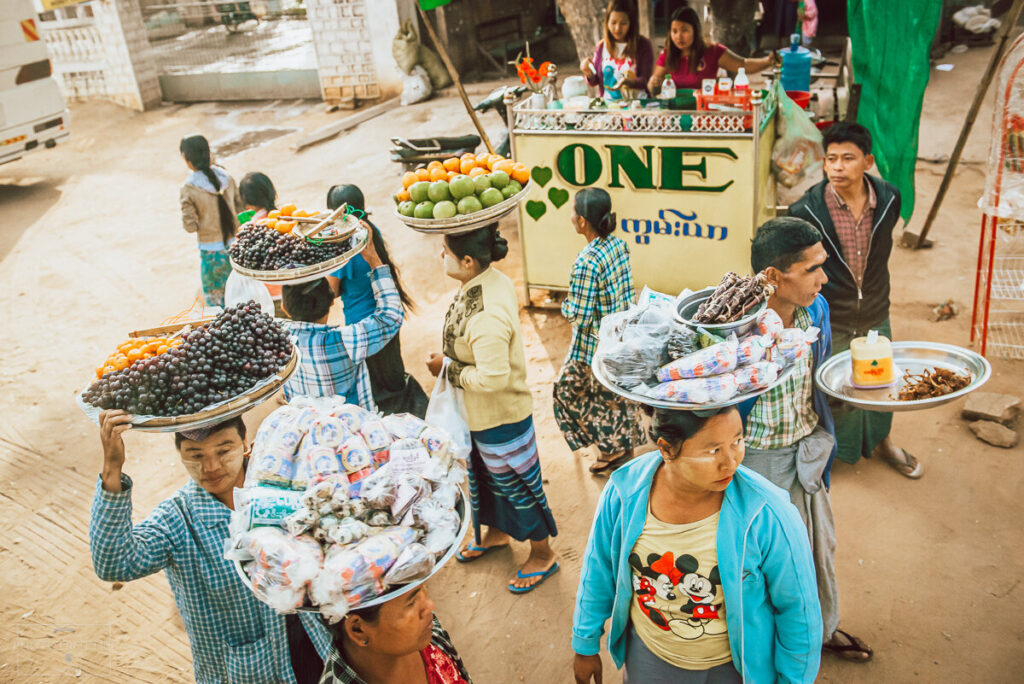
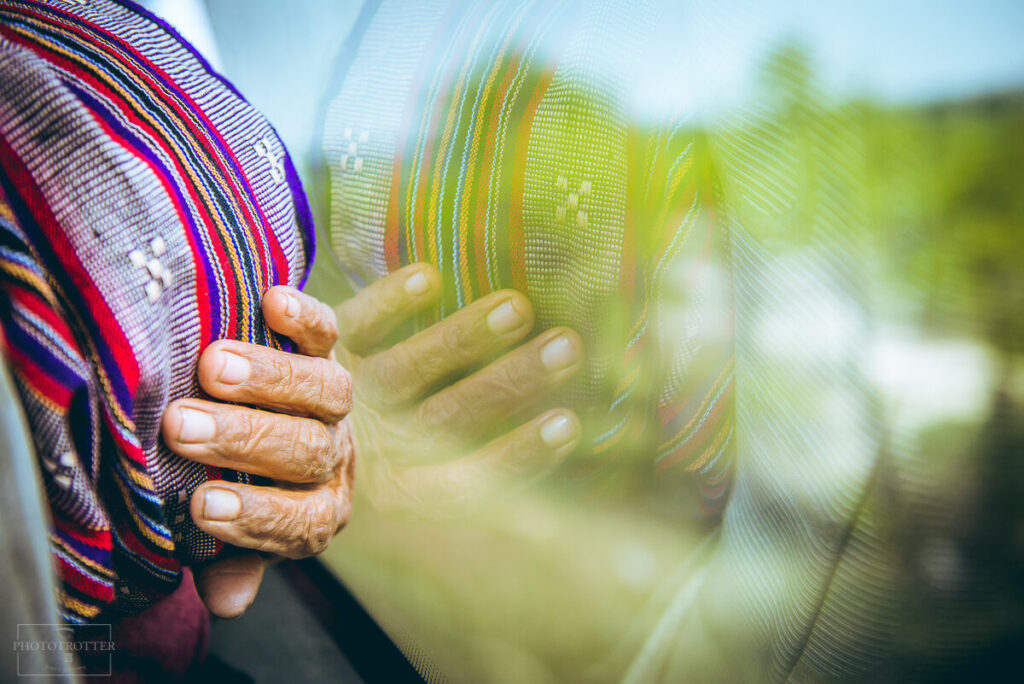
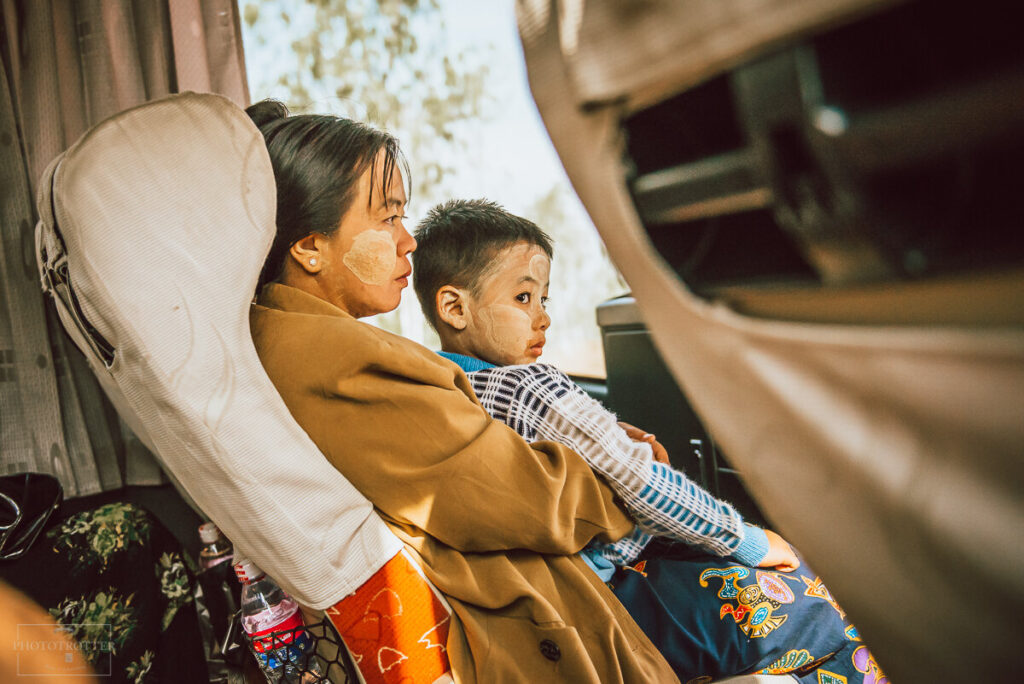
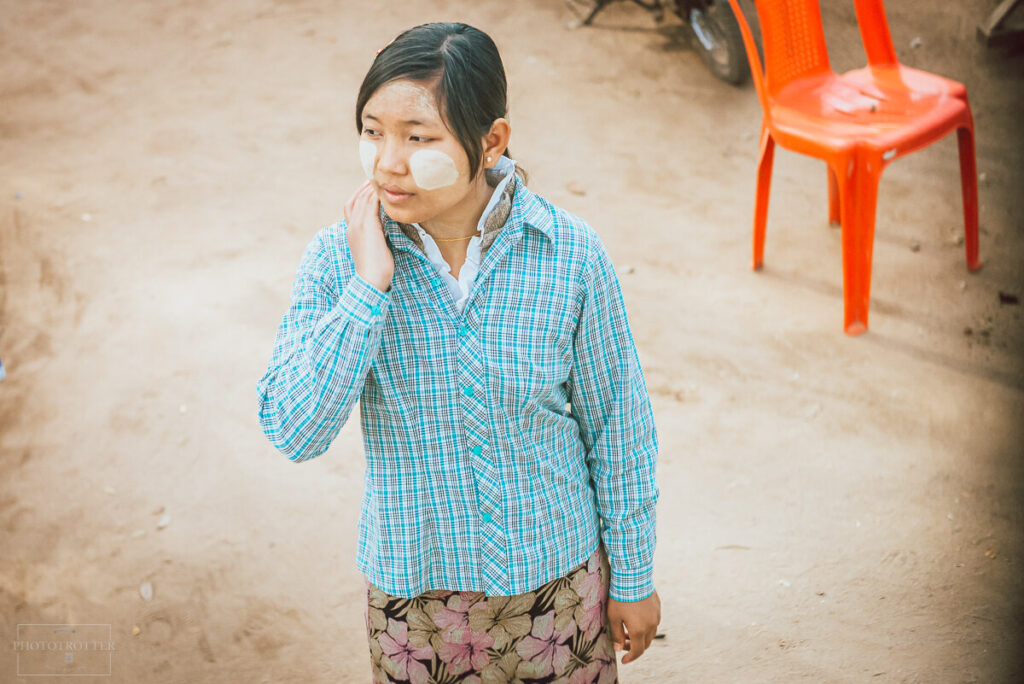
Women – even the most pauper granny – wear traces of thanaka, a discreetly flavored paste with supposed cosmetic and anti-sun effects, traditionally used in Burma for millennia (oddly enough, though he minutely describes the local traditional clothes, Orwell does not mention thanaka, not even once). It never looks like the photos on National Geographic, applied in perfect circles or even carefully painted in the shape of leaves – most Burmese seem to have smudged the paste on their faces without thinking twice about it. The children too are plastered in thanaka from head to toe, while men do not seem to care much about it, protecting themselves from the sun with conical hats braided from thin strips of palm leaves or counterfeit “Mqlboro” cowboy hats made in Indonesia.
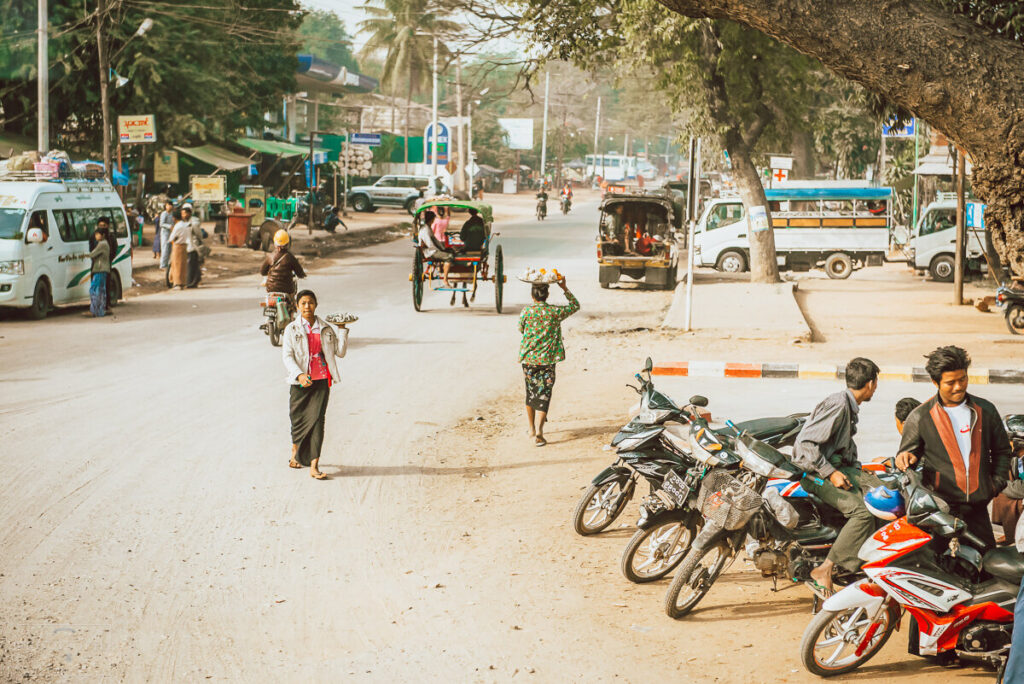
The peace and quiet of the roads populated by carriages pulled by humped cattle has turned lately into a honking brouhaha. In Myanmar you drive on the right side of the road, but most of the cars’ and vans’ steering wheels are still on the right. The low visibility and the non-existent blinkers on carts and mopeds means that the drivers must nevertheless make their presence known – through repeated honking. A road trip through Myanmar (either rural or urban) is an inexhaustible cacophonous heroic march for horn and bugle – some piercing and annoying like mosquitoes or nervous like an elephant with stuffed sinuses.
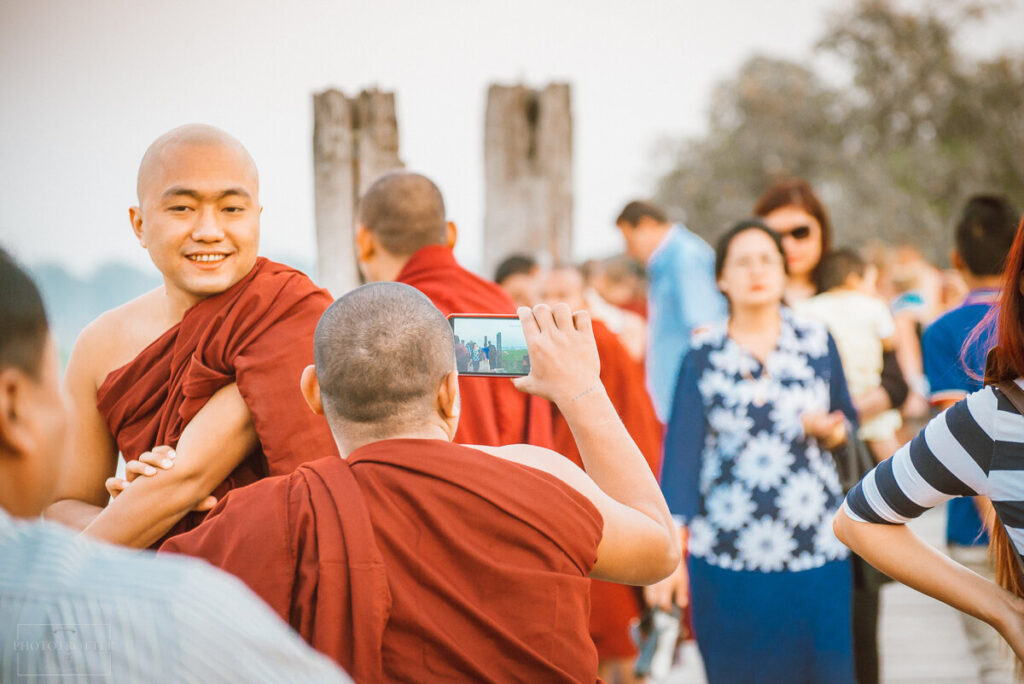
In the midst of the whole commotion, Buddhist priests float about, some carrying the large alms bowls for donations (money or food), others taking photos of something interesting or even of tourists, who in turn take their pictures, fascinated by their serene presence in the Burmese dusty bustle.
One thing I really regret not seeing during our short trip in Myanmar is an instance of the old traditional Burmese dance, closely related to the Indian, Thai and Khmer traditional dances. Maybe next time we’ll just book a tour, and instead of doing our own discovery through shortcuts and back country doors, we’ll let a travel professional show us the picture-perfect Myanmar. Until then, Orwell’s depiction of the hypnotic dance is just as accurate now as it was back then.
“Just look at that girl’s movements […] when you look closely, what art, what centuries of culture you can see behind it! Every movement that girl makes has been studied and handed down through innumerable generations. Whenever you look closely at the art of these Eastern peoples you can see that – a civilization stretching back and back, practically the same, into times when we were dressed in woad.
In some way that I can’t define to you, the whole life and spirit of Burma is summed up in the way that girl twists her arms. When you see her you can see the rice fields, the villages under the teak trees, the pagodas, the priests in their yellow robes, the buffaloes swimming the rivers in the early morning, Thibaw’s palace…”
You can checkout more photos in the gallery below.


Curious about Myanmar? Read more about it:







Leave a Reply