
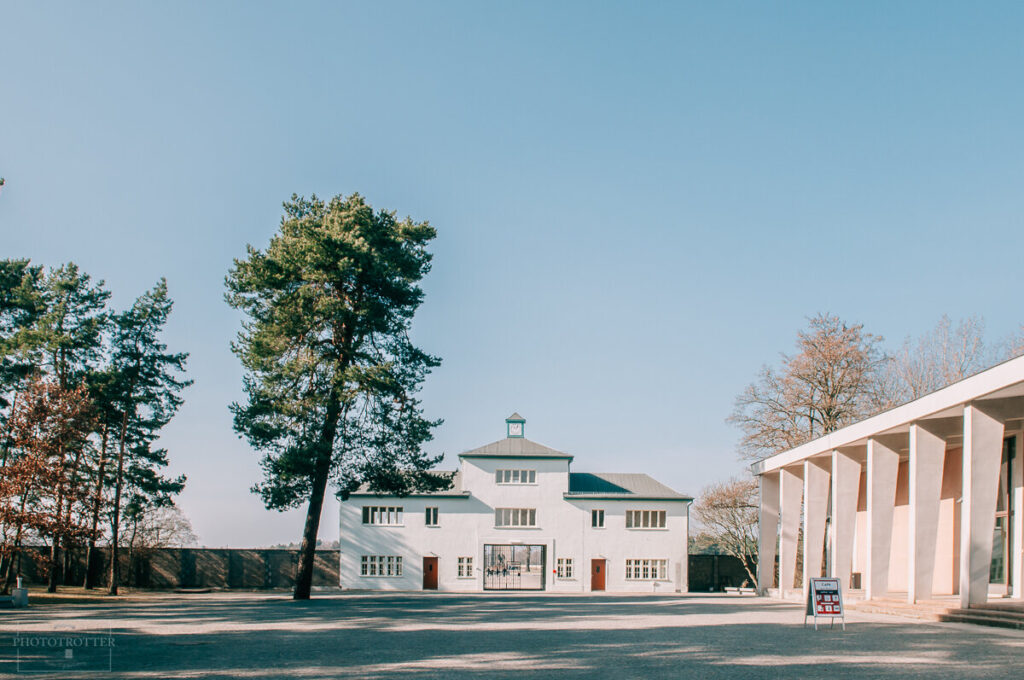
8 May 1945: Liberation Day, Victory Day or Victory in Europe /VE Day.
A week after the Fall of Berlin had concluded, Germany signed its unconditional surrender, marking the end of WWII.
Most of the countries celebrate it on May 9th, when Moscow made the announcement, but since the documents were signed late at night but still on the 8th, East Germany celebrated for decades the date of 8th May as Liberation Day.
In 2020 Berlin commemorates through various events the 75th anniversary of the end of World War II. One of those available online is the digital 360 immersive video-audio experience 75jahrekriegsende.berlin.
One of the aspects of Berlin’s liberation process was the release of the prisoners in the neighbouring concentration camp at Sachsenhausen, in Oranienburg, northern Berlin. You can find the extensive history on its website, we’ll just summarise the main facts, to accompany some images.
Oranienburg Camp
– small prison camp, sometimes mistaken for, but preceding Sachsenhausen
– initially served as a “revenge camp”, where opponents of the system were sent. So at first, in the mid-1930s, it had mostly German political prisoners (mainly communists). It was closed in favour of the newly-built nearby located:
Sachsenhausen Concentration Camp (Konzentrationslager)
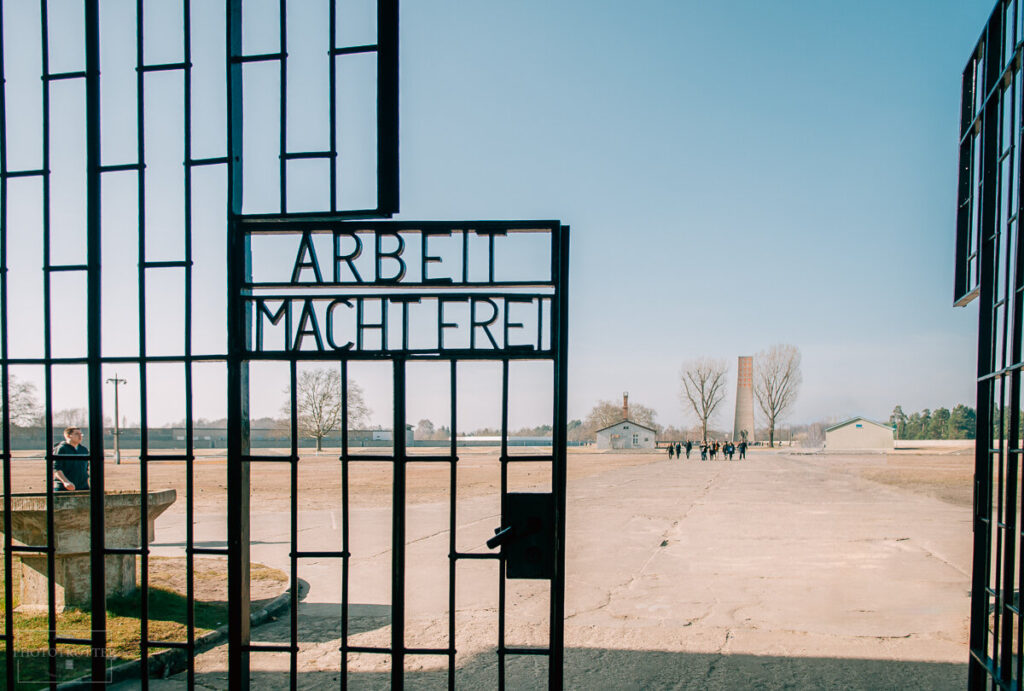
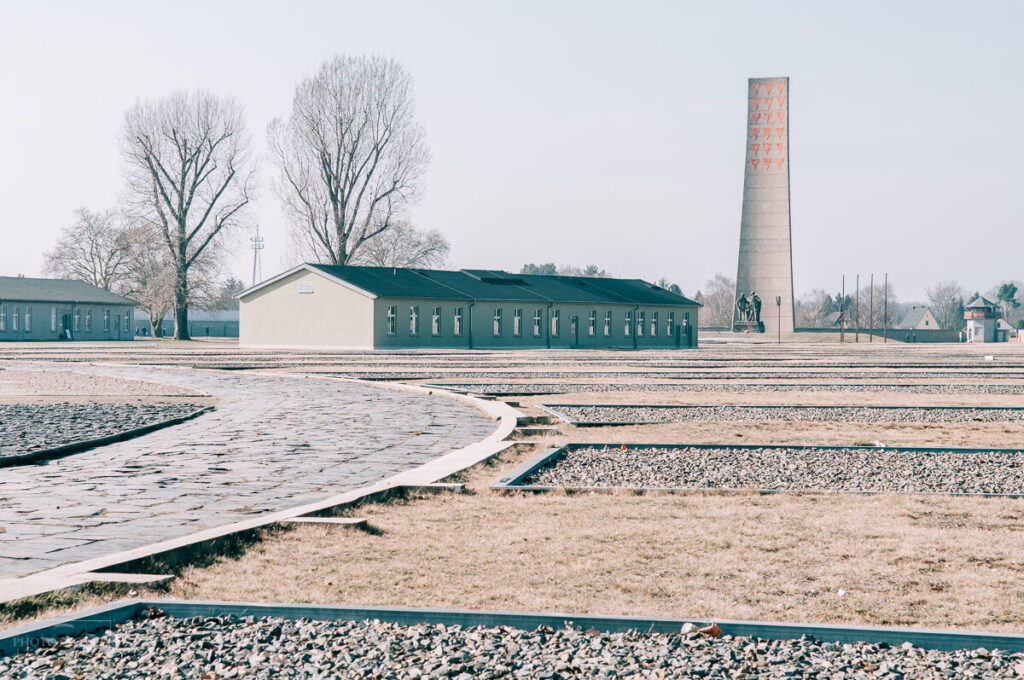
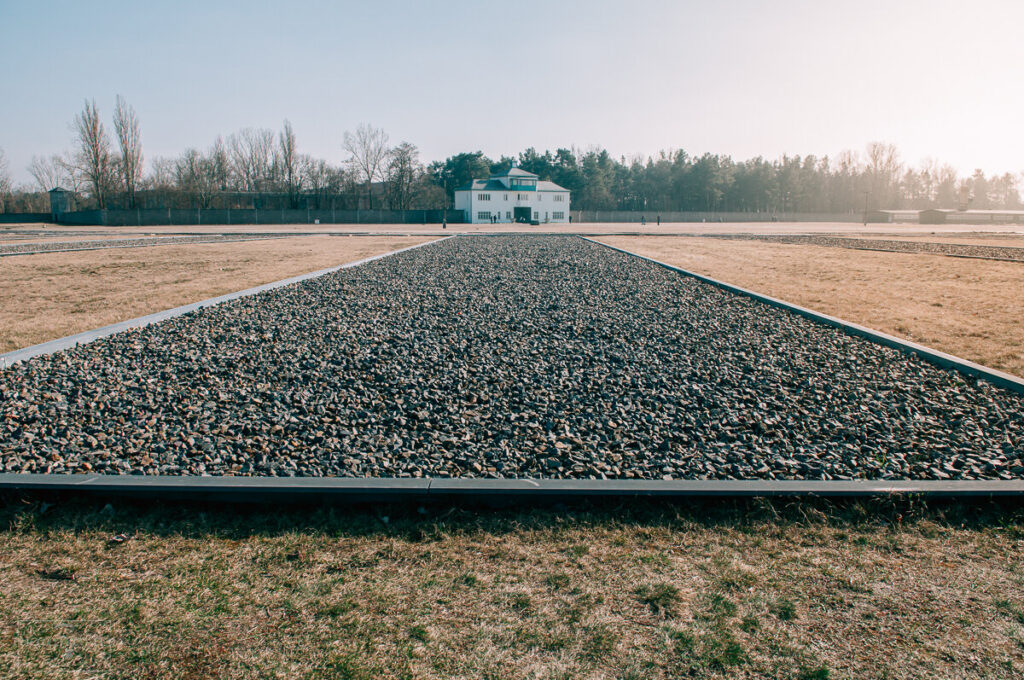
– Sachsenhausen KZ was a brand new camp built in 1936, also in Oranienburg.
– being only 35 km away from Berlin, it had a special status as a model and training camp, where all sorts of atrocities were first tested
– most prisoners have been incarcerated for political reasons, but soon, as the system began to sort the population into unwanted or inferior categories, the camp was filled with Jews, Gypsies, Sinti, homosexuals, the so-called anti-socials (drunks, beggars, homeless, prostitutes, lesbians) and later war prisoners.
– over 9 years, around 200K people were imprisoned at Sachsenhausen, around 90% men.
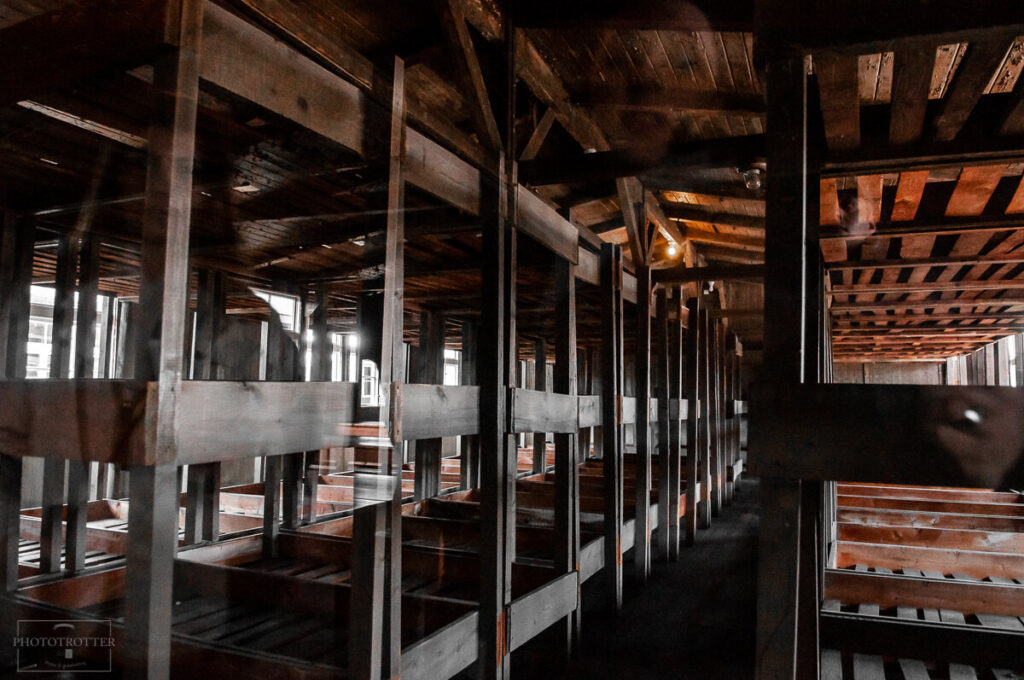
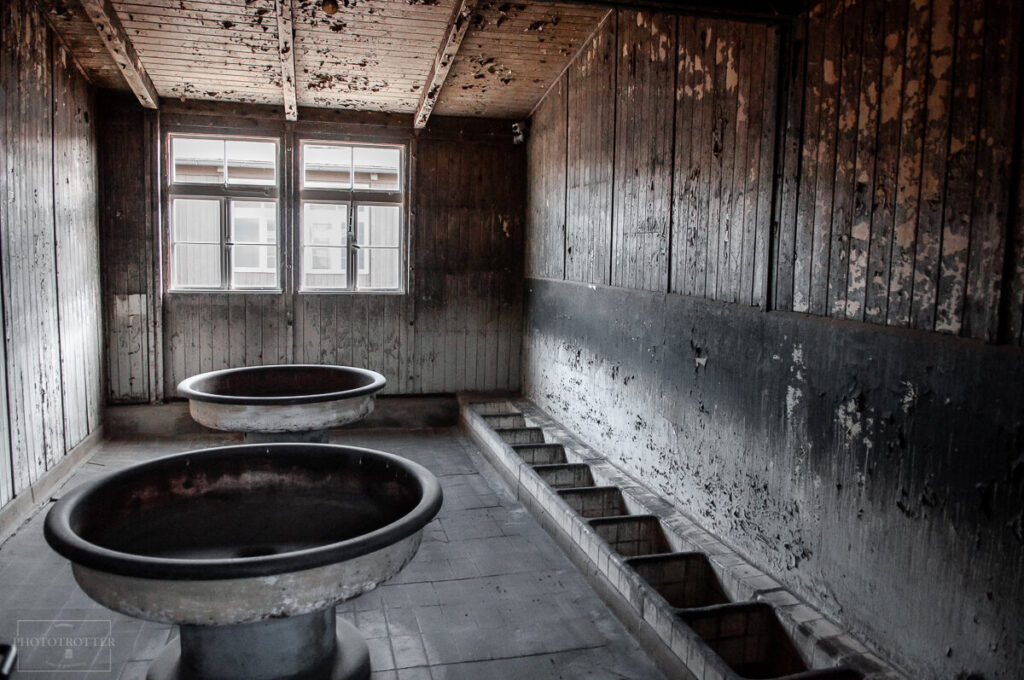
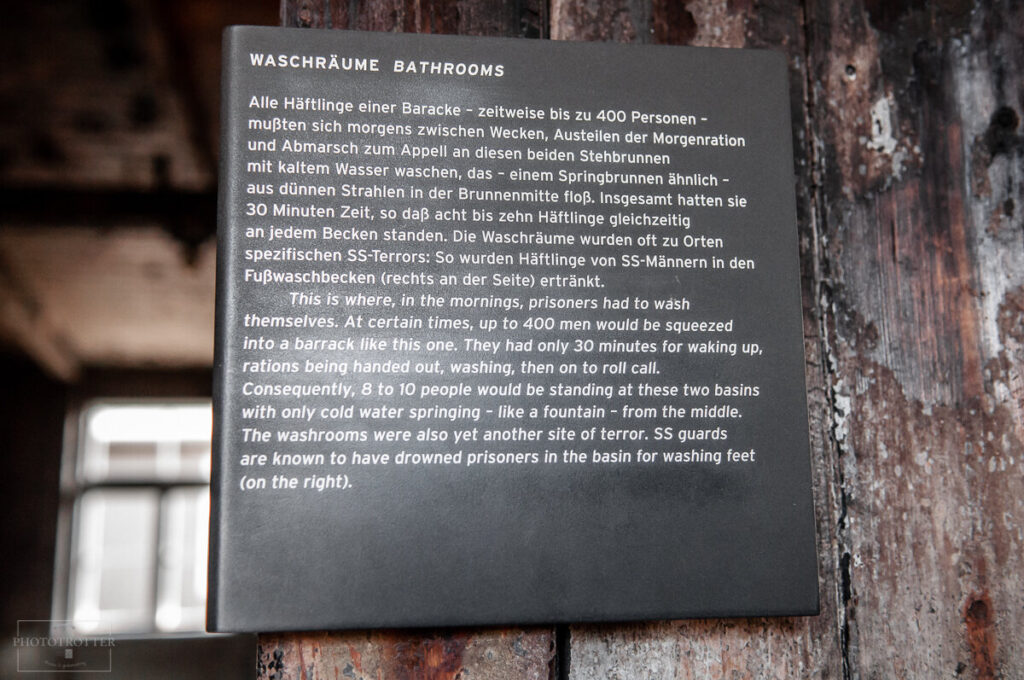
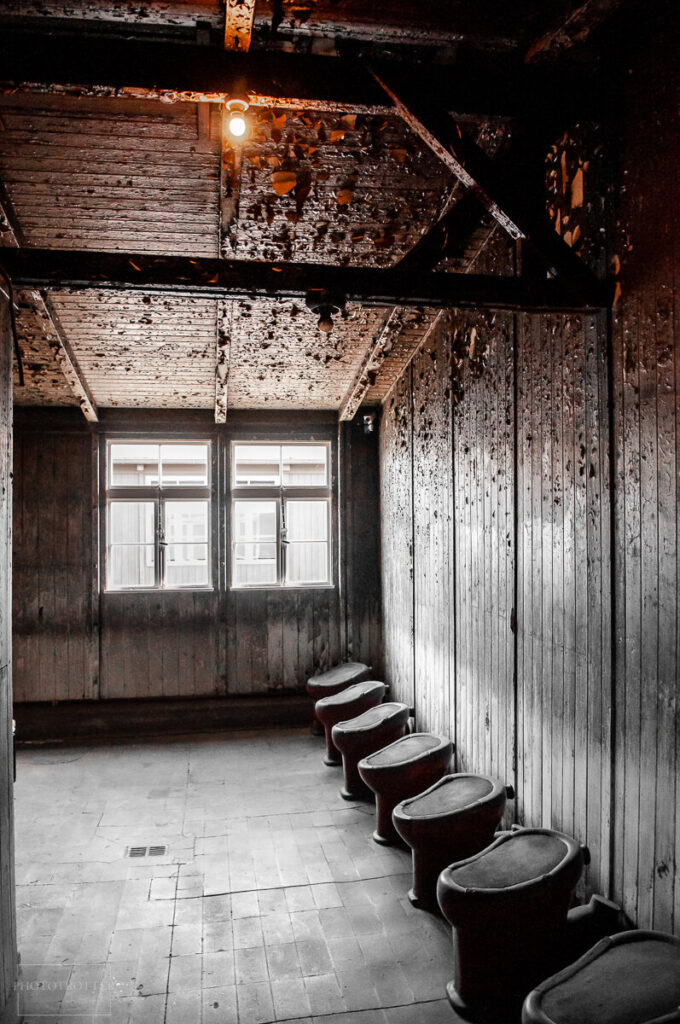
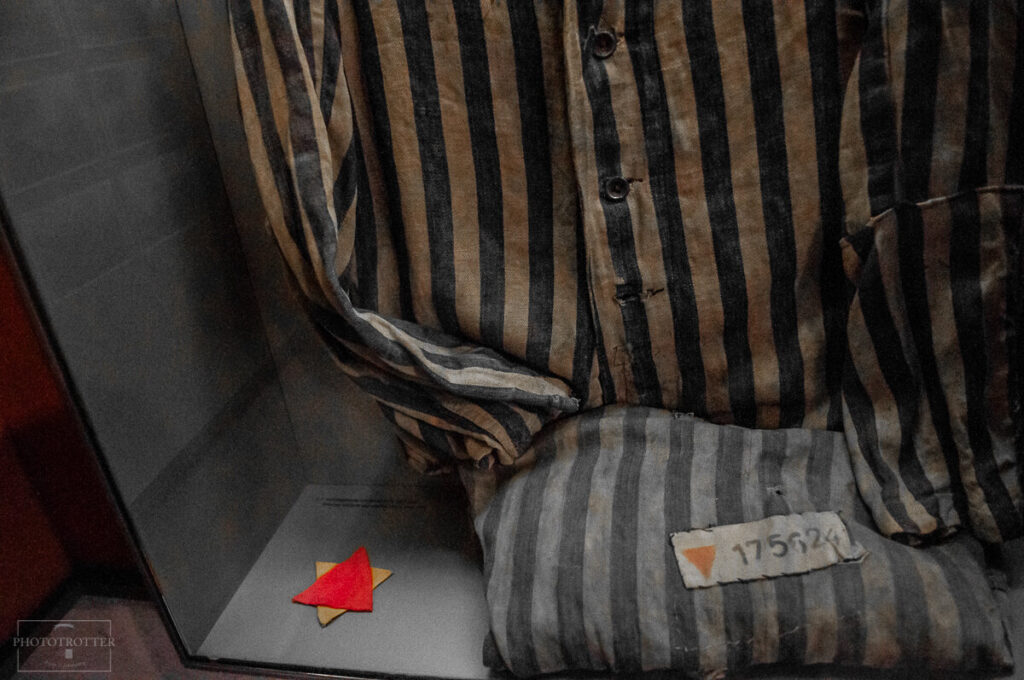
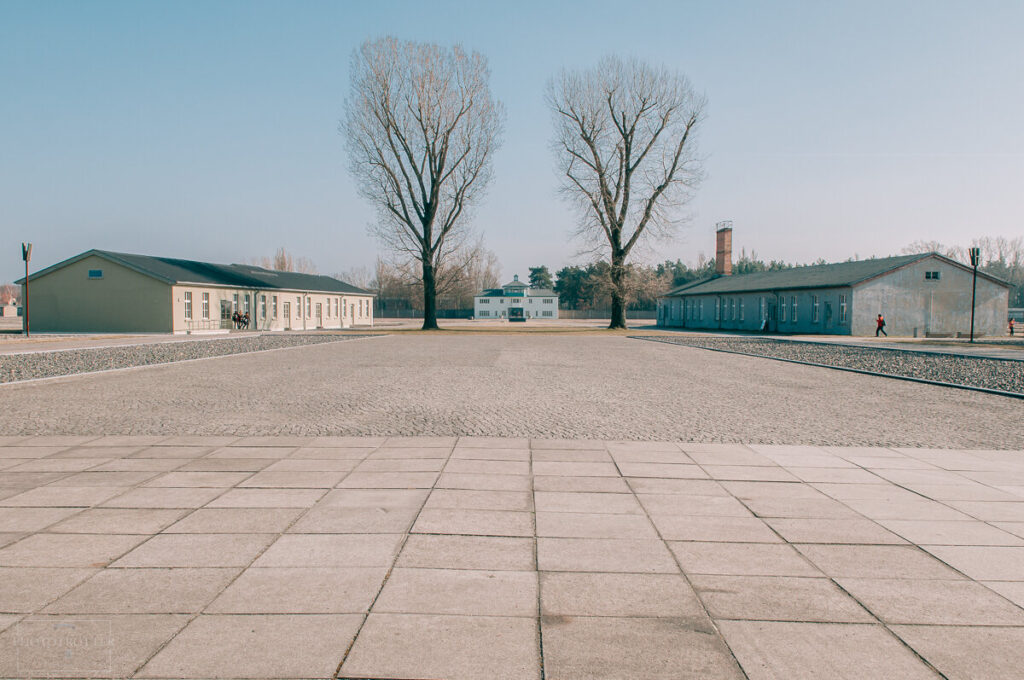
– the prisoners were involved in all sorts of activities, from hard labor (construction work on roads, buildings, railroads), to testing military boots on a running track (on which they trod up to 40km/day), counterfeiting currency or being fodder for the medical and technological warfare experiments: perfecting the infamous neck-shooting facility, testing gas chambers, combo extermination units (neck-shooting device, gas chamber and crematorium), torture methods, and medical tests.
– in April ’45, Dresden had been bombed to the ground, the Red Army was so close it was breathing down the Reich capital’s neck, so the camp was evacuated in what was later called the death marches. Over 33.000 people were herded north-west and then largely abandoned. When they were found, in Belower Forest, they had managed to march (without food) close to 100kms.
– the main camp at Sachsenhausen was liberated on April 22nd 1945. It served then as a Soviet special camp for a short period, during which most of the original barracks have been destroyed through “historical cleansing“ and in the 60s it became a memorial and museum.
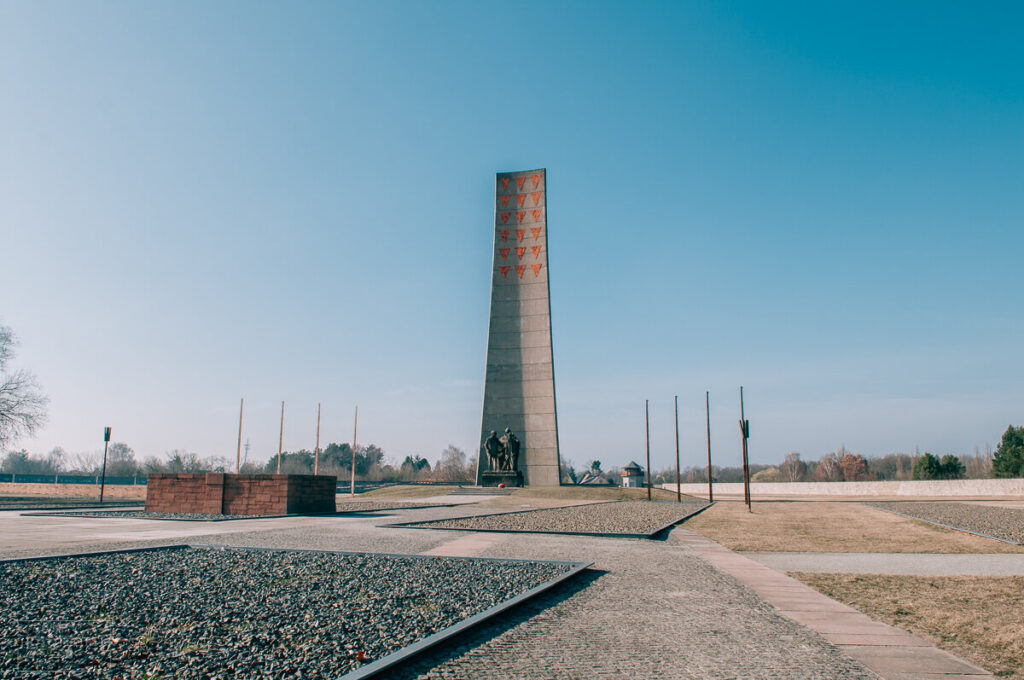
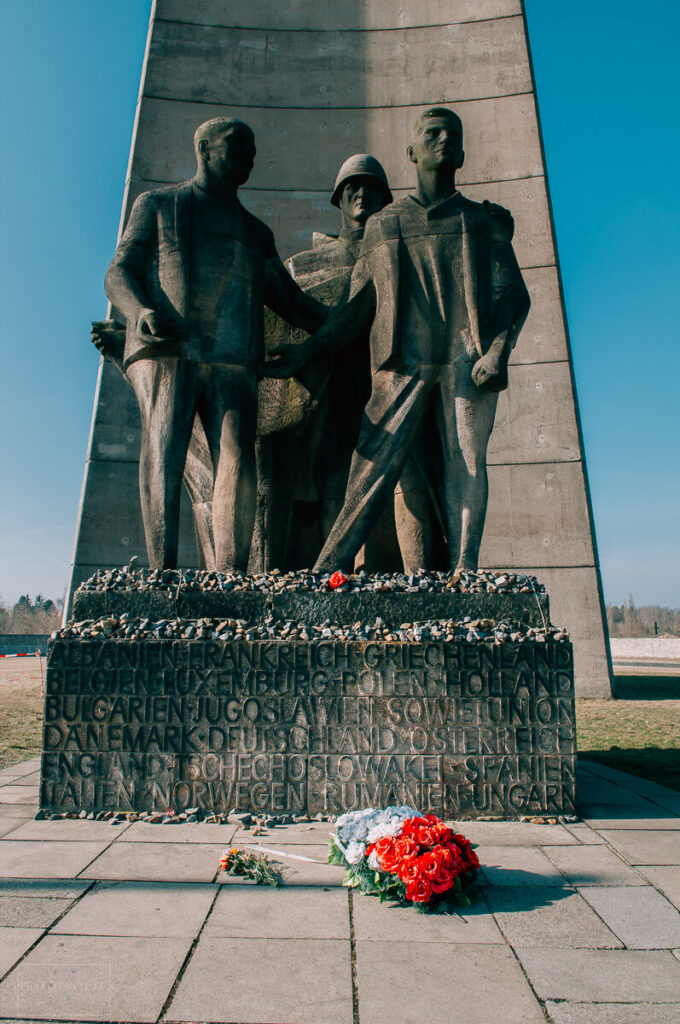
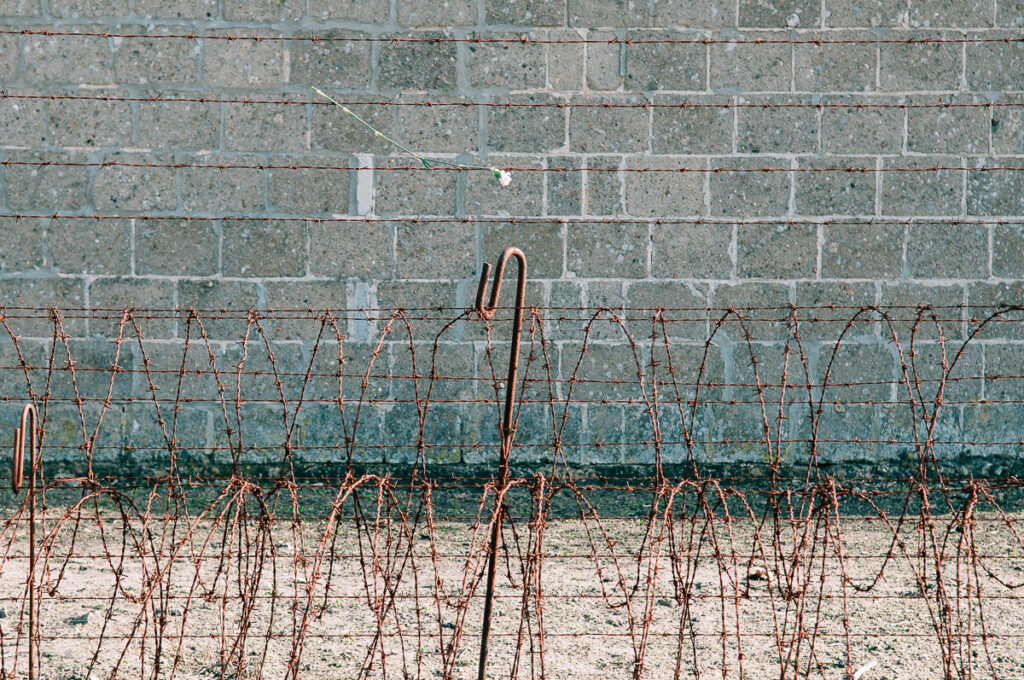
See more of Sachsenhausen concentration camp at https://75jahrekriegsende.berlin/ (audio seems to work only in German, but don’t forget to turn around 360°).






Leave a Reply